

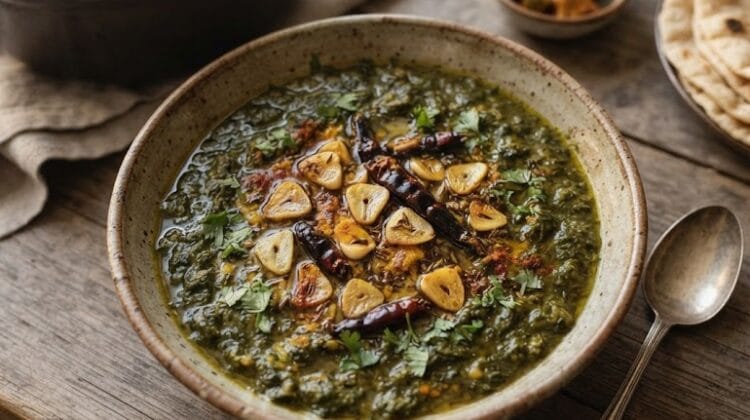
Palak Daal Recipe Healthy Pakistani Spinach Lentil Curry
Nutritional Benefits (Per Serving):
16g
Protein
10g
Fiber
245
Calories
8mg
Iron
Ingredients:
For the Palak Daal
Fresh Spinach (Palak)
500g, washed and chopped
Masoor Daal (Red Lentils)
½ cup, washed
Moong Daal (Yellow Split)
½ cup, washed
Water
4 cups
Turmeric Powder
½ tsp
Salt
1 tsp (for boiling)
For the Masala
Onion
2 medium, finely chopped
Tomatoes
3 medium, chopped
Ginger Garlic Paste
1.5 tbsp
Green Chilies
3–4, chopped
Oil
4 tbsp
Red Chili Powder
1 tsp
Coriander Powder
1 tsp
Salt
To taste
Fresh Coriander
Handful, chopped
Lemon Juice
1 tbsp
For the Tarka (Tempering)
Ghee
3 tbsp
Garlic
6–7 cloves, sliced
Cumin Seeds
1.5 tsp
Dried Red Chilies
3–4 whole
Kasuri Methi
1 tsp, crushed
Garam Masala
¼ tsp
Step-by-Step Instructions:
Wash and prep the lentils: Rinse masoor and moong daal under cold water 4–5 times until completely clear. No soaking required for masoor, but a 10-minute soak helps moong cook evenly alongside it.
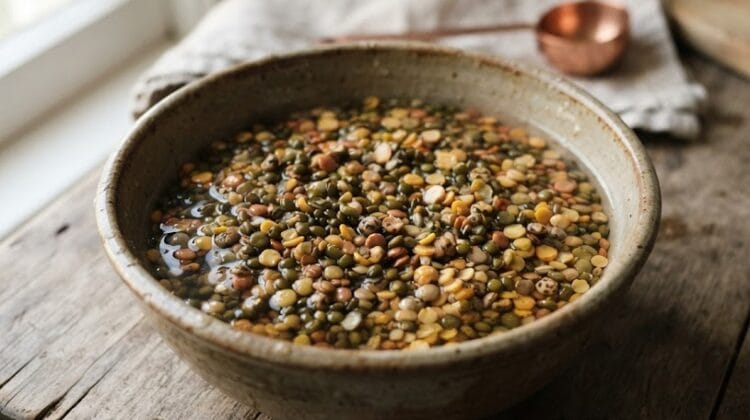
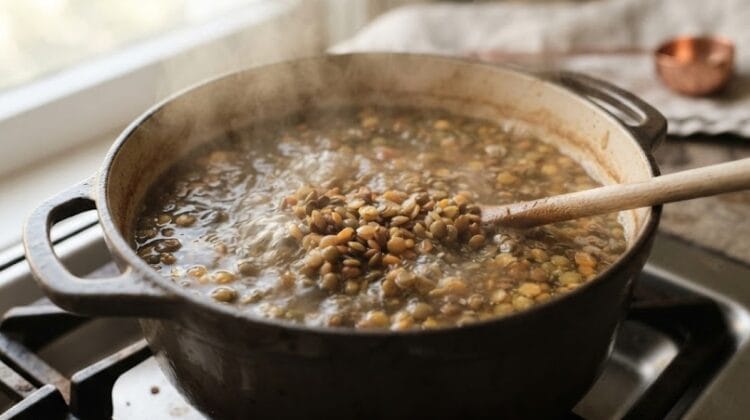
Boil the daal: In a large pot, add both daals with 4 cups of water, turmeric, and salt. Bring to a vigorous boil over high heat. Skim off any foam from the surface.
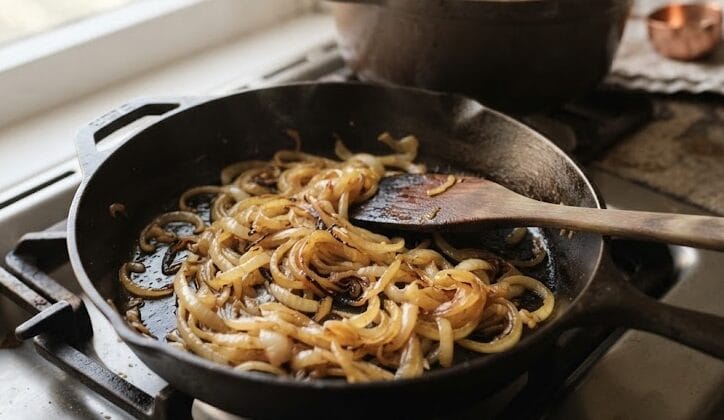
Prepare the masala simultaneously: While the daal and palak simmer, heat oil in a separate pan. Add chopped onions and fry on medium heat until golden brown about 10 minutes. Add ginger garlic paste and green chilies, fry 2 minutes.
Combine masala with palak daal: Pour the fried masala into the cooked palak daal pot. Stir everything together thoroughly. The masala and daal should merge seamlessly. Simmer together for 8–10 minutes on low heat.
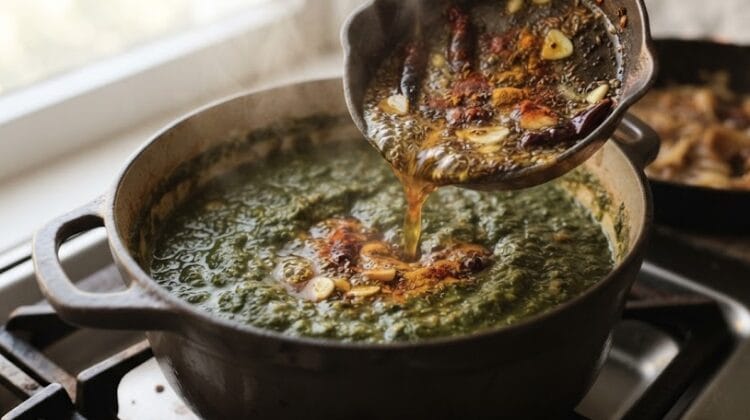
The Secret to Keeping Palak Daal Bright Green:
Palak Daal Variations:
Palak Daal with Paneer
Spicy Palak Daal
Creamy Palak Daal
Palak Daal with Methi
Lasooni Palak Daal
Tips & Tricks:
- Cook the masala in a separate pan while the daal and spinach simmer together this two-pan method saves time and allows each component to develop its best flavor independently.
- Add spinach directly to the boiling daal rather than blanching separately this method produces a more integrated, deeply flavored dish where daal and palak truly become one.
- Always use ghee for the tarka rather than oil the richness of ghee creates an incomparably aromatic finish that vegetable oil simply cannot replicate.
- Add lemon juice at the very end, never during cooking early addition increases acidity and speeds up chlorophyll breakdown, causing the green color to fade faster.
- Palak daal thickens considerably as it cools always add warm water when reheating and stir well to restore original consistency.
- Make the tarka fresh immediately before serving every time even if the daal was made a day ahead. Fresh tarka makes an enormous difference in aroma and visual appeal.
- For an extra nutritional boost, add a handful of baby spinach raw into the finished palak daal just before serving it wilts gently from the residual heat and adds a burst of fresh green flavor.
Frequently Asked Questions:
Q1. What is Palak Daal and how is it different from Daal Palak?
Palak Daal and Daal Palak are the same dish described with a different word order both refer to spinach cooked with lentils. The difference is SEO and regional naming convention. In some regions, palak is named first when spinach flavor is more dominant, and daal first when the lentil base is more prominent.
Q2. Which daal is best to use for Palak Daal?
Masoor daal (red lentils) is the most popular choice it cooks quickly and creates a smooth creamy base that merges beautifully with spinach. A combination of masoor and moong daal in equal parts produces the most complex, balanced result and is what most Pakistani restaurants use.
Q3. How do I keep my Palak Daal bright green?
Add spinach to boiling daal (not cold water), cook only until tender without prolonged simmering, add lemon juice only at the very end, cook tomato masala separately and combine afterward, and serve promptly. These steps together preserve maximum chlorophyll for the most vibrant green color.
Q4. Can I use frozen spinach for Palak Daal?
Yes! Frozen spinach works well for palak daal. Thaw completely and squeeze out excess water before adding. The color will be slightly less vibrant than fresh but the flavor is still excellent. Add frozen spinach in the last 10–12 minutes of cooking rather than from the beginning.
Q5. Is Palak Daal good for weight loss?
Palak daal is excellent for weight management. At approximately 245 calories per serving with 16g protein and 10g fiber, it is highly satiating without being calorie-dense. The high protein and fiber content promote fullness, reduce overall calorie intake, and help maintain stable blood sugar levels.
Q6. Can I make Palak Daal in a pressure cooker?
Yes! Add both daals, spinach, water, and turmeric to the pressure cooker and cook for 2–3 whistles. This cuts cooking time to under 15 minutes. Then prepare and add the masala as normal, simmer together for 5 minutes on low heat, and finish with the tarka. Result is slightly less vibrant in color but equally delicious.
Q7. What is the best way to serve Palak Daal?
Palak daal pairs beautifully with hot roti or naan for a traditional Pakistani meal. It also works wonderfully over plain steamed basmati rice. For a complete meal, serve alongside aloo zeera or tamatar aloo as a side sabzi, with a simple raita and sliced raw onions on the side.
Q8. How long can Palak Daal be stored?
Palak daal keeps well in an airtight container in the refrigerator for up to 3 days. The flavor actually deepens overnight. Always make the tarka fresh when reheating. Palak daal can also be frozen for up to 1 month thaw overnight and reheat gently with a splash of water.
Leave a Reply