

Aloo (Potato) in Pakistani Cooking Complete Guide, Top Recipes & Health Benefits
A Brief History of Aloo in Pakistan:
Pakistani Potato Varieties and When to Use Them:
All-Purpose Potatoes (Most Common in Pakistan)
Waxy Potatoes (Lahori Aloo)
Starchy/Floury Potatoes
Baby Potatoes (Chote Aloo)
Nutritional Value (Per 100g Raw Potato):
2g
Protein
2g
Fiber
77
Calories
Vit C+B6
Key Vitamins
Despite its reputation as a simple carbohydrate food, the potato is genuinely one of the most nutritionally impressive vegetables available. A medium potato (approximately 150g) provides roughly 30% of the daily recommended intake of Vitamin C more than many fruits. It is an exceptional source of potassium, providing more per gram than a banana, which is important for heart health, blood pressure regulation, and muscle function. Vitamin B6, present in significant amounts in potatoes, supports brain health, immune function, and the production of neurotransmitters. The resistant starch in potatoes which increases when cooked potatoes are cooled acts as a prebiotic fiber that feeds beneficial gut bacteria and has been shown to improve insulin sensitivity.
Potassium: A medium potato provides more potassium than a banana critical for heart health and blood pressure management.
Vitamin C: One medium potato provides approximately 30% of daily Vitamin C requirements essential for immune function and iron absorption.
Resistant Starch: Cooled cooked potatoes develop resistant starch that acts as prebiotic fiber, improving gut health and insulin sensitivity.
B Vitamins: Rich in Vitamin B6 for brain function, B3 (niacin) for energy metabolism, and folate for cell division.
Naturally Fat-Free: Potatoes are naturally fat-free, cholesterol-free, and sodium-free it is the cooking method that adds these, not the potato itself.
Sustained Energy: Complex carbohydrates in potatoes provide steady, long-lasting energy without blood sugar spikes ideal for the physically active population of Pakistan.
Top 10 Pakistani Aloo Dishes You Must Try:
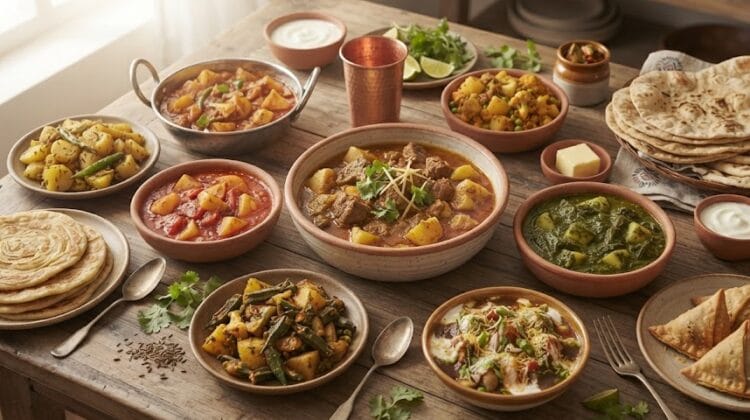
The potato’s versatility in Pakistani cooking is unmatched. Here are the 10 most beloved Pakistani aloo dishes each one showcasing the potato in a completely different role:
Classic Pakistani potato curry with a rich tomato-onion masala and thick, deeply spiced gravy. The most popular everyday aloo dish eaten at least twice a week in most Pakistani homes with hot roti.
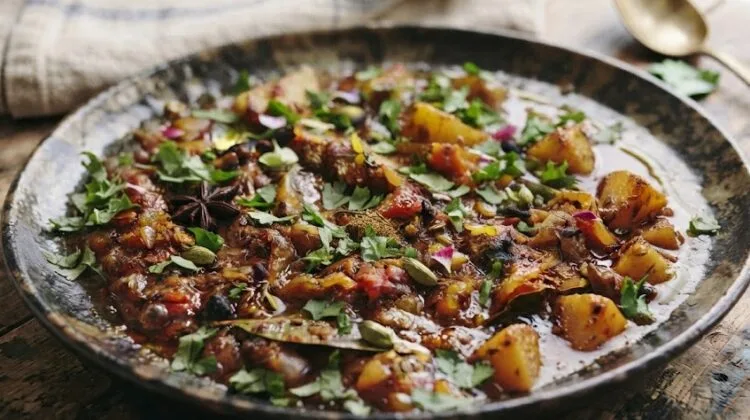
Dry stir-fried potatoes with whole cumin seeds (zeera), green chilies, and minimal spices quick, fragrant, and incredibly addictive. Ready in under 20 minutes and perfect alongside any Pakistani daal.
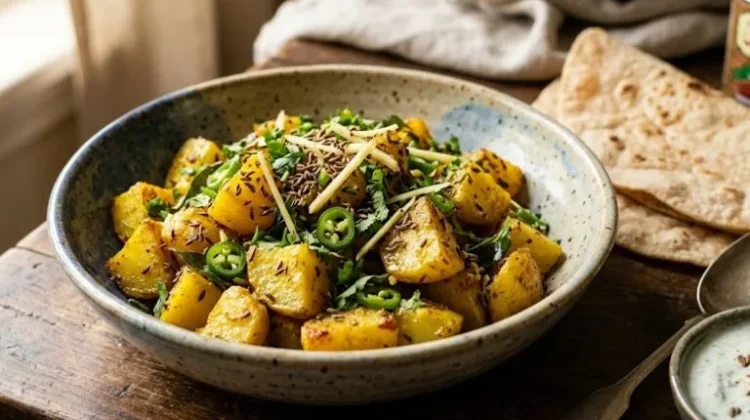
Bold, tangy tomato and potato curry where tomatoes are cooked in equal quantities to the potatoes vibrant red color, intensely flavored, and one of the quickest full-flavored curries in Pakistani cooking.
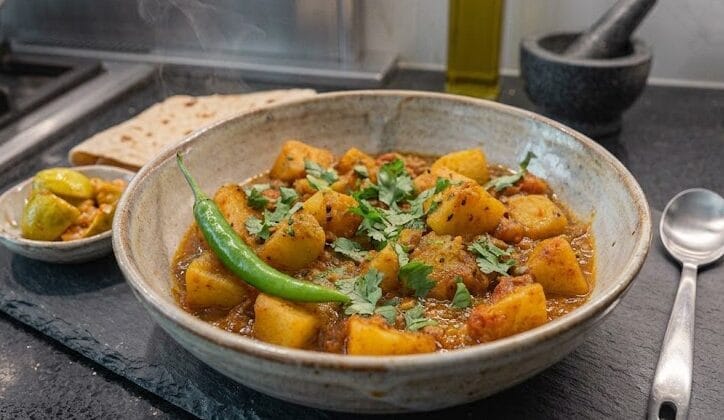
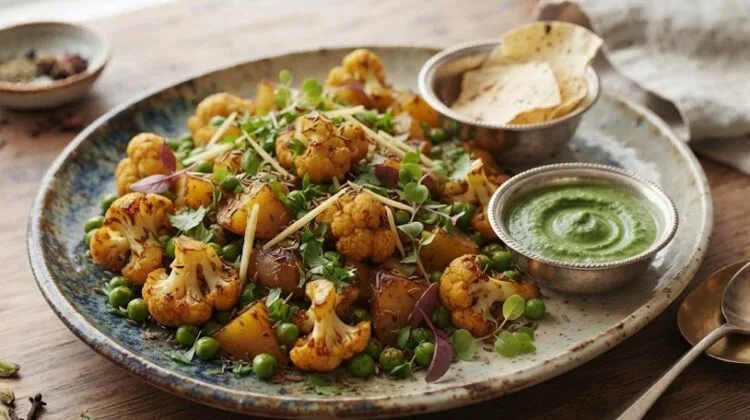
The beloved Pakistani triple potato, cauliflower, and peas cooked together in an amber-spiced masala. A winter family favorite across all of Pakistan and one of the most nutritionally balanced vegetable dishes.
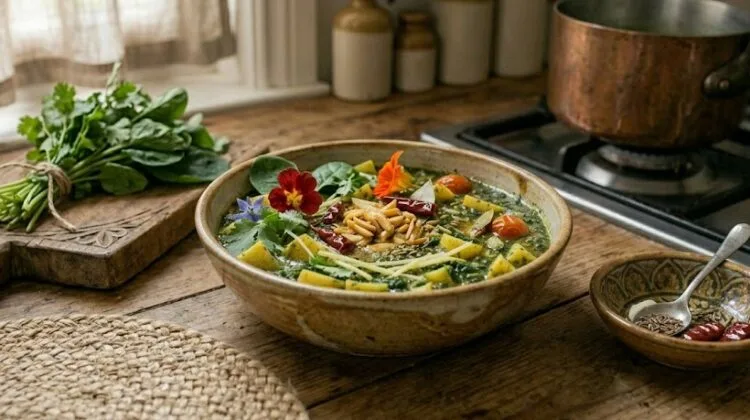
Spinach and potato cooked together in a green, earthy masala nutritious, vibrant, and deeply satisfying. One of the most iron-rich Pakistani vegetable dishes, loved by health-conscious cooks.
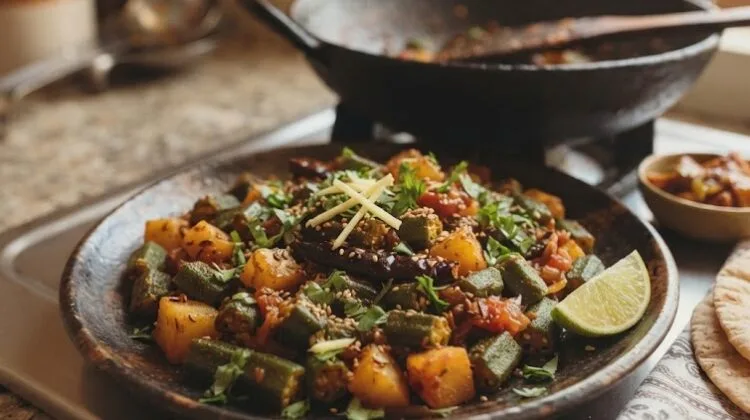
Okra and potato dry-fried with bold Pakistani spices and amchoor. When the bhindi is properly dry-fried (no sliminess!), this combination is truly extraordinary crispy okra with spiced, tender potatoes.
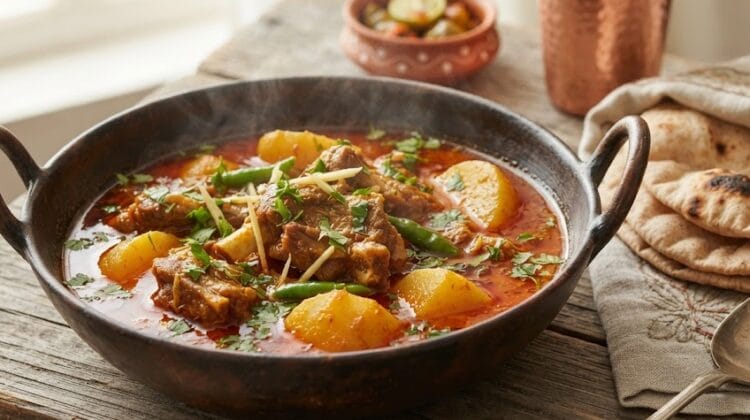
Aloo Gosht:
Mutton and potato slow-cooked together in a rich bone broth gravy the ultimate Pakistani comfort food. The potatoes absorb the deeply spiced meat juices and become irresistibly tender and flavorful.
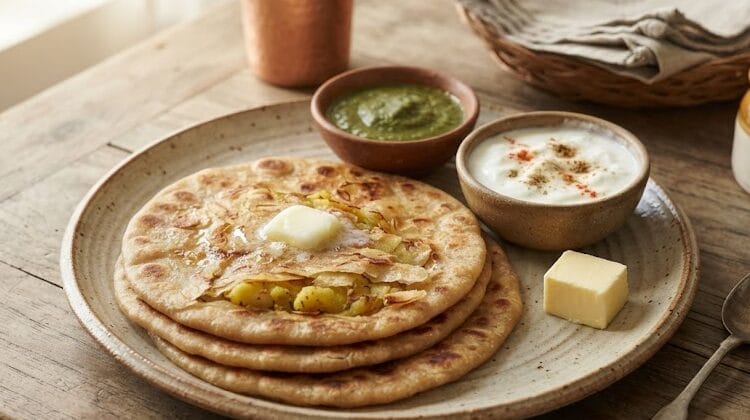
Aloo Paratha:
Spiced mashed potato stuffed inside whole wheat flatbread and pan-fried with ghee until golden and crispy. Pakistan’s most iconic breakfast dish served with yogurt, butter, and achaar (pickle).
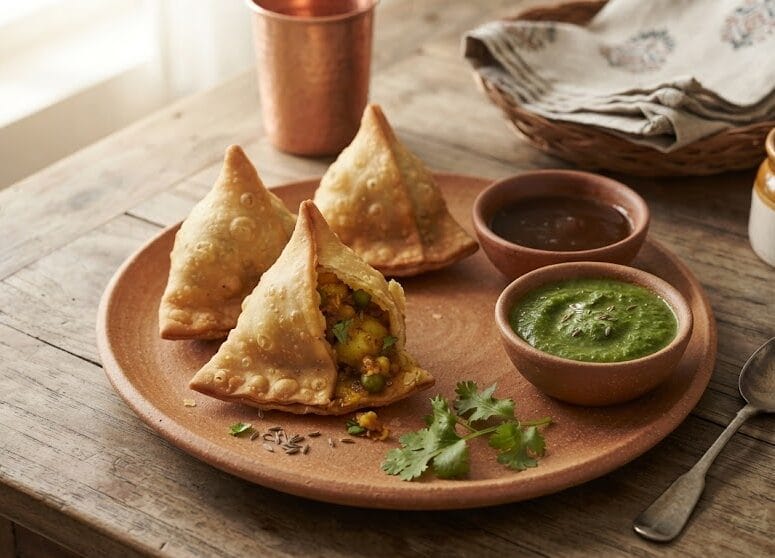
Aloo Samosa:
Spiced potato and pea filling inside a crispy golden pastry triangle the most popular Pakistani street food snack and the perfect companion to afternoon chai. Found on every street corner across Pakistan.
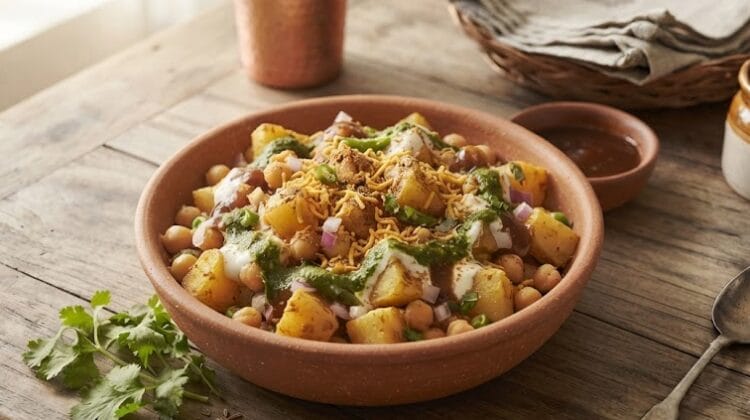
Aloo Chaat:
Boiled potato cubes tossed with tangy tamarind chutney, chaat masala, creamy yogurt, sev, and fresh garnishes a beloved Pakistani street food and party starter that explodes with sweet, sour, and spicy flavors in every bite.
Essential Pakistani Aloo Cooking Techniques:
Simmering in Masala (Curry Method):
Raw potato cubes added directly to fully cooked masala and simmered covered until tender. The most common method for aloo curry, tamatar aloo, and aloo gobi. Always cook masala until oil separates before adding potatoes this is the most critical step for deep flavor development.
Par-Boiling then Frying (Two-Stage Method):
Potatoes partially boiled in salted water until just barely tender, then added to hot masala to finish cooking. Used for dishes like bhindi aloo where the potato and main ingredient need to finish cooking at the same time. Ensures even cooking without over or under-cooking.
Boiling and Mashing (For Fillings):
Potatoes fully boiled until very soft, then mashed with spices for paratha filling, samosa filling, tikki, and cutlets. Always boil potatoes whole with skin on for fillings this prevents waterlogging that makes fillings runny and difficult to work with.
Stir-Frying / Bhuna Method:
Parboiled potato cubes cooked in generous oil over medium-high heat, stirring occasionally until the exterior is golden and slightly crispy. Used for aloo zeera, sukha aloo, and various dry potato dishes where a caramelized, non-mushy texture is the goal.
Slow Cooking with Meat (Gosht Method):
Large potato pieces added to meat curries during the final 20–30 minutes of slow cooking. The potatoes absorb the rich, deeply spiced bone broth, developing a flavor that is impossible to achieve through any other method. Classic for aloo gosht and aloo keema.
How to Buy and Store Aloo Correctly?
Buying: Choose firm, smooth potatoes with no soft spots, green patches, or sprouting eyes. Green skin indicates the presence of solanine a mildly toxic compound that develops when potatoes are exposed to light. Always cut away any green patches completely before cooking.
Storage: Store potatoes in a cool, dark, dry, well-ventilated place never in the refrigerator. Cold temperatures convert potato starch to sugar, making them taste sweeter and causing them to darken when cooked. A cardboard box or paper bag in a cool pantry is ideal. Do not store with onions they produce ethylene gas that accelerates potato spoilage.
Shelf Life: Properly stored potatoes last 2–4 weeks. Refrigerated potatoes last longer but develop off-flavors. Cooked potatoes should be refrigerated and consumed within 3–4 days.
Preventing Browning: Cut potatoes oxidize and turn brown rapidly when exposed to air. Keep cut potatoes submerged in cold water until ready to cook. Drain and eating aspects of thpat dry before adding to hot oil or masala.
How Different Pakistani Regions Cook Aloo:
One of the most fascine potato in Pakistani cuisine is how dramatically its preparation varies across different regions of the country, each reflecting local spice preferences, available ingredients, and cultural traditions.
Punjab: Punjabis love their aloo bold and richly spiced deeply caramelized onion masala, generous amounts of red chili, and always finished with a drizzle of ghee. Aloo paratha is practically the Punjabi breakfast identity. Aloo curry with thick, coating gravy is a Punjabi staple eaten at least twice a week in most households.
Sindh: Sindhi aloo cooking tends toward tangy, bright flavors tamarind and raw mango powder feature prominently alongside the standard Pakistani spices. Sindhi aloo tarkari has a distinctive tartness that sets it apart from the richer Punjabi style.
KPK (Khyber Pakhtunkhwa): KPK-style aloo dishes tend to be simpler in spice profile but intensely aromatic heavy on fresh ginger and green chilies, lighter on dried spice powders. The Pashtun tradition values the natural flavor of ingredients, so KPK aloo dishes often let the potato shine more clearly through a cleaner spice base.
Balochistan: Balochi potato cooking features whole spices cardamom, cinnamon, cloves alongside minimal ground spice powders. Long, slow cooking over lower heat is the Balochi tradition, producing potatoes of remarkable tenderness and a distinctively aromatic, warming flavor.
Essential Aloo Cooking Tips:
- Always keep the masala fully cooked oil separated, tomatoes dissolved before adding potato cubes. Adding potatoes to undercooked masala produces a dish with a raw-tasting sauce that no amount of extra cooking fully fixes.
- Cut potato pieces to a uniform size pieces of different sizes cook at different rates, leaving some mushy while others are still raw. Aim for 1.5-inch cubes for curry, smaller for dry dishes, larger for gosht.
- Keep cut potatoes in cold water until the moment you need them this prevents browning and removes excess surface starch, helping the cubes maintain their shape during cooking.
- Cook potatoes covered in liquid curries and uncovered in dry dishes the steam from covered cooking ensures even, thorough cooking of the potato interior without burning the masala.
- For the crispiest aloo zeera and dry potato dishes, par-boil the potatoes first and let them steam-dry before adding to hot oil surface moisture is the enemy of crispiness.
- For aloo paratha and samosa filling, always boil potatoes whole with skin on peeled potatoes absorb too much water and produce a runny, difficult-to-work-with mash.
- Aloo dishes taste significantly better the next day as the potato continues absorbing the masala overnight. Make larger batches for easy, even more flavorful leftovers.
Frequently Asked Questions
Q1. Why do Pakistani aloo curries taste so much better than simple boiled potatoes?
When potatoes simmer directly in a deeply spiced, caramelized tomato-onion masala, they absorb the complex flavors from the outside in. The starch in the potato also slightly thickens the surrounding gravy, creating a richer texture. Simple boiled potatoes have none of these flavor-development processes the masala transforms everything.
Q2. Which is the most nutritious way to cook aloo?
Boiling potatoes with skin on preserves the most nutrients, as the skin acts as a protective barrier. The Pakistani method of simmering in spiced masala is also relatively nutrient-preserving. Deep-frying significantly increases calorie content. Whatever method you use, leave the skin on when possible a significant portion of potassium and Vitamin C is concentrated just beneath the skin.
Q3. Is aloo (potato) good for diabetics?
Potatoes have a moderate to high glycemic index when eaten hot, but their glycemic impact is significantly reduced when cooked and then cooled this converts some starch to resistant starch which does not spike blood sugar. Cooking potatoes in oil or ghee with other ingredients as in Pakistani curries also slows digestion and reduces the glycemic impact. Diabetics can include aloo in moderate portions as part of a balanced meal.
Q4. Why is aloo called the ‘king of Pakistani vegetables’?
Aloo earns this title through its extraordinary versatility, year-round availability, affordability, and universal appeal across all regions, religions, and economic classes of Pakistan. No other vegetable appears in as many dishes, in as many different cooking styles, in as many meals throughout the day from breakfast paratha to lunch curry to dinner gosht to evening chaat.
Q5. What is the difference between Aloo Curry and Aloo Sabzi?
Aloo curry has a distinct pourable, spiced gravy that coats the potato pieces and can be scooped up with roti or spooned over rice. Aloo sabzi (sukha aloo) is cooked with very little water until all moisture evaporates, leaving the potatoes coated in a dry, caramelized spice coating. Sabzi is drier and more intensely flavored as a side dish, while curry works as a main course.
Q6. How do I prevent aloo from becoming mushy in curry?
Choose waxy or all-purpose potatoes rather than starchy floury varieties. Cut into generous 1.5-inch cubes. Add potatoes to a fully cooked masala with oil separated this seals the exterior immediately. Cook covered on medium-low rather than high heat, and avoid stirring too frequently as each stir increases the risk of breaking apart the potato cubes.
Q7. Can I freeze cooked aloo dishes?
Yes, most cooked Pakistani aloo dishes freeze well for up to 1 month. Aloo curry and aloo gosht freeze particularly well. The potato texture becomes slightly softer after freezing. For best results, slightly undercook the potatoes before freezing so they reach perfect doneness after reheating. Thaw overnight in the refrigerator and reheat gently with a splash of water.
Q8. What are the best spices to cook with aloo?
The classic Pakistani combination of cumin seeds, coriander powder, cumin powder, turmeric, and red chili is the foundation of most aloo dishes. Cumin seeds bloomed in hot oil create a particularly magical aromatic partnership with potato. Fresh green chilies and coriander leaves with lemon juice at the end add freshness. Garam masala added at the very end provides warmth and complexity.
Leave a Reply