

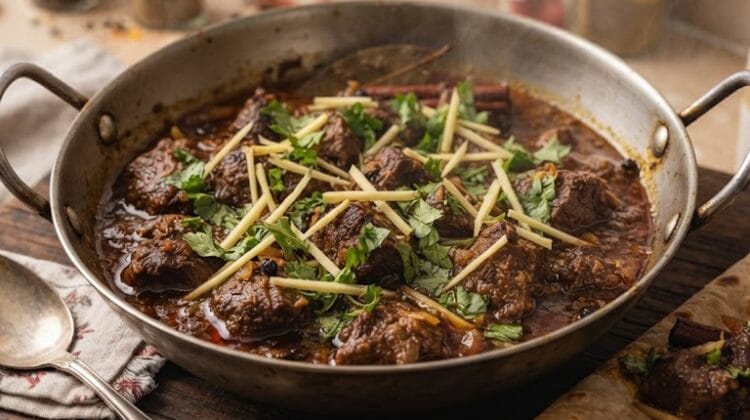
Mutton Curry Recipe Authentic Pakistani Style Step by Step
90
Cook time (min)
1kg
Mutton
6
Servings
Medium
Difficulty
Why This Mutton Curry Works Every Time:
Most homemade mutton curry recipe failures come down to two problems tough, undercooked meat and an underdeveloped masala that tastes sharp and raw. This mutton curry recipe addresses both with specific, tested techniques. The meat is browned in hot oil before any liquid or masala is added this Maillard reaction on the surface of each piece creates hundreds of complex flavor compounds that are impossible to develop any other way. The masala is cooked for a full 15–20 minutes until the oil completely separates the visual indicator that every raw spice note has been transformed into deep, rich flavor. Finally, the mutton is slow-cooked on the lowest possible heat for a full 60–70 minutes long enough for the collagen in the connective tissue to dissolve into gelatin, creating the extraordinary silky, rich gravy that defines a truly exceptional mutton curry recipe.
Best Mutton Cuts for Mutton Curry Recipe:
Mixed Curry Cut (Most Recommended):
Shoulder (Munde ka Gosht):
Ribs (Chaamp):
Leg (Rana):
Trotters (Paye) For Special Version:
Nutritional Benefits (Per Serving):
35g
Protein
420
Calories
18mg
Iron
Zinc+B12
Key Nutrients
This mutton curry recipe is one of the most nutritionally dense dishes in Pakistani cuisine. Mutton is an exceptional source of complete protein 35 grams per serving provides over 60% of the daily recommended protein intake. The iron content of 18mg per serving is extraordinary making this mutton curry recipe one of the most effective dietary sources of heme iron, which is absorbed by the body up to 3 times more efficiently than plant-based iron. This makes the mutton curry recipe particularly valuable for people with iron deficiency anemia. Mutton is also one of the richest dietary sources of Vitamin B12 essential for nerve function and red blood cell formation and Zinc, which supports immune function, wound healing, and testosterone production. The slow cooking method used in this mutton curry recipe releases collagen from the bones and connective tissue into the gravy, which supports joint health, skin elasticity, and gut lining integrity.
Ingredients:
Main Ingredient
Mutton (bone-in)
1 kg, curry cut pieces
Oil or Ghee
6 tbsp
For the Masala
Onions
3 large, finely sliced
Tomatoes
4 medium, chopped
Ginger Garlic Paste
2 tbsp
Green Chilies
4–5, slit
Yogurt
½ cup, whisked
Water
1.5 cups, warm
Whole Spices
Bay Leaves
3
Black Cardamom
2
Green Cardamom
5
Cinnamon Stick
2-inch piece
Cloves
6
Black Peppercorns
1 tsp
Ground Spices
Red Chili Powder
1.5 tsp
Coriander Powder
2 tsp
Cumin Powder
1 tsp
Turmeric Powder
½ tsp
Garam Masala
1 tsp end mein add karein
Salt
To taste
Fresh Coriander
Large handful, chopped
Fresh Ginger
Julienned, for garnish
Step-by-Step Instructions:
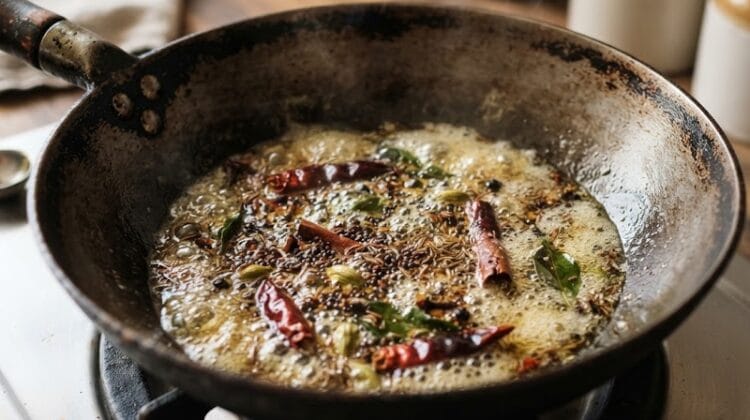
Bloom the whole spices: Heat oil or ghee in a large heavy-bottomed pot over medium-high heat. Add all whole spices bay leaves, cardamoms, cinnamon, cloves, black peppercorns. Fry for 60 seconds until they swell and become intensely fragrant. This blooming is the aromatic foundation of your mutton curry recipe.
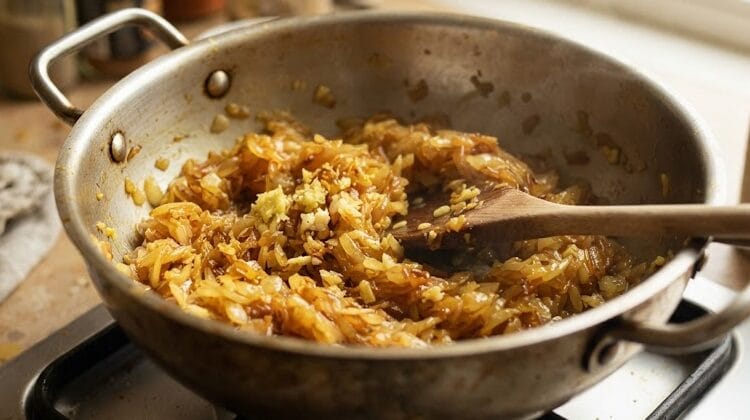
Add ginger garlic paste: Add ginger garlic paste and slit green chilies. Fry on high heat for 3–4 minutes, stirring constantly, until all raw smell disappears completely and the mixture turns deep golden and very fragrant.
Add ground spices: Add red chili powder, coriander powder, cumin powder, turmeric, and salt. Stir well to coat every piece of browned mutton thoroughly. Bhuna on high heat for 3–4 minutes until spices are roasted and fragrant not raw
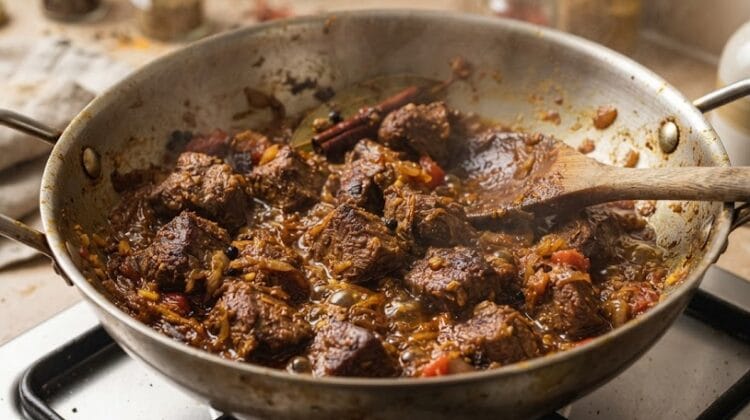
Add tomatoes and cook the masala: Add chopped tomatoes. Cook on medium-high heat for 12–15 minutes, mashing frequently, until tomatoes completely dissolve into the masala and the oil separates and pools clearly on the surface. This oil separation is the most critical visual indicator that your mutton curry recipe masala is fully cooked.
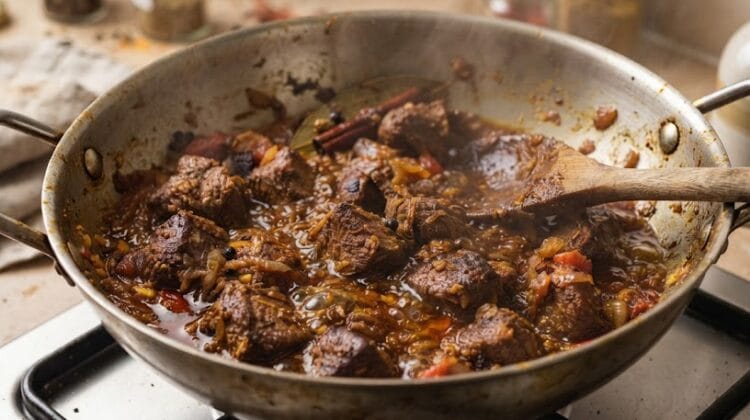
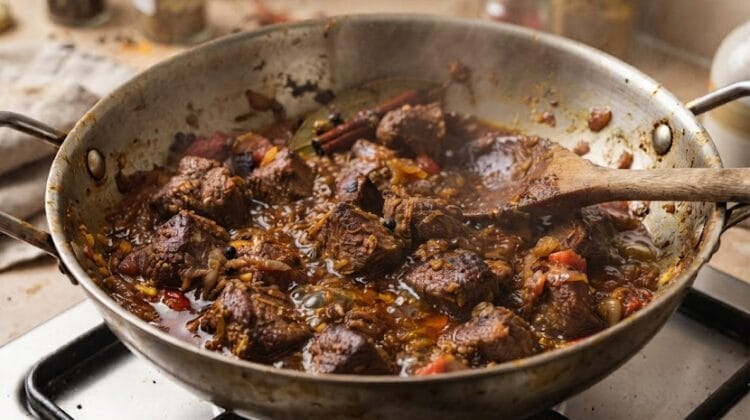
Check tenderness and adjust gravy: After 60 minutes, test a piece it should yield immediately to gentle pressure. If still firm, continue cooking covered for another 15–20 minutes. Adjust gravy consistency: cook uncovered to thicken, or add a splash of warm water to thin.
Chef Secrets for the Best Mutton Curry Recipe:
Mutton Curry Recipe Variations Across Pakistan:
Punjabi Mutton Curry Recipe:
Sindhi Mutton Curry Recipe:
Peshawari Mutton Curry:
Karahi Mutton Curry:
Mutton Nihari Extended Slow Cook Version:
How to Serve Mutton Curry Recipe:
With Tandoori Naan (Classic Dawat Style):
With Steamed Basmati Rice:
With Roti and Daal:
Full Dawat Spread:
Tips & Tricks:
- Always brown the mutton in this mutton curry before adding any liquid skipping this step produces grey, flavorless meat that no amount of spice can rescue.
- Use bone-in mutton pieces for your mutton curry the bones add extraordinary flavor, body, and richness to the gravy that boneless meat simply cannot replicate.
- Add whisked yogurt one tablespoon at a time in this mutton curry adding cold yogurt all at once causes it to curdle and produces an unpleasant grainy texture.
- Always add warm water in this mutton curry recipe cold water toughens the meat fibers immediately. Keep a kettle of warm water ready before starting.
- The minimum slow-cook time for this mutton curry recipe is 60 minutes on the lowest possible heat less time produces tough, chewy mutton regardless of the quality of the masala.
- This mutton curry recipe tastes significantly better the next day make it a day ahead when cooking for guests and reheat gently just before serving for the best possible flavor.
- Add garam masala only at the very end of this mutton curry recipe adding it too early during the long cooking process destroys the delicate aromatic compounds that make garam masala special.
Frequently Asked Questions:
Q1. How long does Mutton Curry Recipe take to cook?
A proper mutton curry recipe requires approximately 90 minutes total 20–25 minutes to develop the masala and brown the meat, and a minimum of 60–70 minutes of slow cooking for the mutton to become genuinely tender. Pressure cooker reduces this to 45–50 minutes.
Q2. Why is my Mutton Curry Recipe meat tough and chewy?
Tough mutton is almost always caused by insufficient cooking time, cooking on too high heat after adding water, or adding cold water. Always cook on absolute minimum heat for a full 60–70 minutes after adding warm water. If still tough, add more warm water and continue cooking.
Q3. Can I make Mutton Curry Recipe in a pressure cooker?
Yes! Develop the masala and brown the mutton in the open pressure cooker as normal, add warm water, seal the lid, and pressure cook for 25–30 minutes (3–4 whistles on medium heat). Natural pressure release for 10 minutes before opening.
Q4. What is the difference between Mutton Curry Recipe and Mutton Karahi?
Mutton curry recipe uses a caramelized onion base, yogurt, and generous water for a rich saucy gravy. Mutton karahi uses a tomato-ginger base without onion, no added water, and high-heat bhuna technique for a thick concentrated sauce best with naan.
Q5. Why add yogurt to Mutton Curry Recipe?
Yogurt serves three purposes: its lactic acid tenderizes the mutton during cooking; it adds subtle tang that balances the richness; and it contributes body and creaminess to the gravy without starch. Always whisk and add gradually one tablespoon at a time to prevent curdling.
Q6. How do I reduce the strong smell of mutton?
Soak mutton in cold water with vinegar or lemon juice for 30 minutes before cooking. Marinate in ginger garlic paste for 1 hour. Use whole spices generously cardamom, cloves, and cinnamon are particularly effective at masking gamey notes.
Q7. Can Mutton Curry Recipe be made ahead of time?
Absolutely this mutton curry recipe improves significantly when made a day ahead. The mutton continues absorbing masala overnight and flavors develop considerably. Refrigerate for up to 3 days. Reheat gently on low heat with a splash of warm water.
Q8. What should I serve with Mutton Curry Recipe?
This mutton curry recipe pairs beautifully with tandoori naan or roti. For rice-based serving, plain basmati or pulao works magnificently. Always include mint raita and kachumber salad alongside the cooling yogurt raita is essential to balance the bold richness of the mutton.
You May Also Know:
Mutton Karahi The Rich, Creamy Recipe You Need to Try at Home
Leave a Reply