

• Skip to main content
  • Skip to primary sidebar
  • Skip to footer
  • Home
  • All Recipes
    • Drinks
      • Lassi
      • Sharbat
      • Chai Recipes
    • Breakfast
      • Halwa Puri
      • Paratha Recipes
      • Omelette & Eggs
    • Breads
      • Chapati & Roti
      • Naan Recipes
      • Puri Recipes
    • Vegetarian Recipes
      • Aloo Dishes
      • Daal Recipes
      • Paneer Dishes
      • Sabzi (Vegetables)
    • Mutton & Beef Recipes
      • Beef Nihari
      • Chapli Kebab
      • Mutton Biryani
      • Mutton Karahi
    • Soups & Stews
      • Haleem
      • Paya Soup
      • Chicken Soup
    • Seafood Recipes
      • Fish Fry
      • Fish Curry
      • Prawn Recipes
    • Sauces & Chutneys
      • Raita
      • Imli Chutney
      • Mint Chutney
    • Snacks & Street Food
      • Chaat
      • Sandwiches
      • Samosa & Pakora
  • Chicken Recipes
    • Chicken Curry
    • Chicken Karahi
    • Chicken Biryani
    • BBQ & Grilled Chicken
  • Rice Dishes
    • Pulao
    • Biryani
    • Khichdi
  • Desserts
    • Cake & Cookies
    • Kheer & Halwa
    • Traditional Sweets
  • Ramadan Special
    • Sehri Recipes
    • Iftar Recipes
    • Sheer Khurma
  • Eid Special
    • Eid ul Adha Recipes
    • Eid ul Fitr Dishes
    • Meethai & Sweets
  • Tips & Tricks
    • Cooking Tips
    • Ingredient Guide
    • Kitchen Hacks
  • About Desi Bites
DesiBites Logo

Desi Bites

Recipes That Taste Like Home

Ad example
You are here: Home / All Recipes / Moong Daal Recipe Easy Pakistani Mung Bean Curry with Tarka

Moong Daal Recipe Easy Pakistani Mung Bean Curry with Tarka

July 3, 2026 · Desi Bites · Leave a Comment

Moong Daal on Desi Bites

Moong Daal Recipe Easy Pakistani Mung Bean Curry with Tarka

 25 minutes      4 servings       Very Easy           4.9 / 5
Moong Daal holds a uniquely special place in Pakistani cuisine it is at once the most delicate and the most nourishing of all the lentils, beloved for its mild, subtly sweet flavor, its gentle texture, and its extraordinary digestibility. Unlike the hearty chana daal or the earthy masoor daal, moong daal is light on the stomach yet deeply satisfying to the soul. It is the daal that Pakistani mothers make for their children, the first solid food introduced to infants, the comfort meal cooked for someone recovering from illness, and the everyday staple that appears on the Pakistani table with quiet, reliable consistency.
What makes Moong Daal so truly wonderful is its incredible versatility. The same lentil can be cooked into a smooth, silky dal that pours like warm velvet over rice; prepared with whole spices for a more textured, rustic dish; cooked with tomatoes for a tangy masala-based version; or even sprouted and eaten raw in salads. No other lentil in Pakistani cooking offers quite this range of preparation methods or this breadth of uses from breakfast to dinner, from everyday cooking to special occasions, moong daal fits every context with natural grace.
In this comprehensive 3,500-word guide, I will cover everything you need to know about making perfect Pakistani Moong Daal the different types of moong daal available and how each one is best used, the precise cooking technique that gives you the ideal texture every time, the authentic tarka method that transforms a simple lentil dish into something extraordinary, the full nutritional profile that makes moong daal one of the healthiest foods you can eat, and a complete range of variations and serving suggestions that will keep this recipe exciting and fresh for years to come.

25

Cook time (min)

1.5

Cups daal

4

Servings

Easy

Difficulty

Types of Moong Daal Which One to Use?

Moong beans are available in several different forms in Pakistani markets, each suited to different preparations. Understanding which type to use for which dish makes an enormous difference in the final result:
Moong Daal Dhuli (Split, Hulled Yellow):
The most commonly used form for Pakistani moong daal curry. These are split mung beans with the outer green skin removed, revealing the pale yellow interior. They cook quickly, have a mild, delicate flavor, and produce a smooth, creamy consistency. This is the variety used in this recipe.
Moong Daal Chilka (Split, Skin-On Green):
Split mung beans with the green skin still attached. Slightly more earthy and nutritious than the hulled version, with a slightly firmer texture. Excellent for those who prefer more texture in their daal and want the additional fiber from the outer skin.
Whole Moong (Sabut Moong Green):
The whole, unprocessed mung bean with its green skin fully intact. Requires soaking for several hours and longer cooking. Used for hearty, rustic daals or for sprouting. Has the most fiber and the most complex flavor of all moong varieties.
Moong Sprouts:
Whole moong beans soaked and sprouted for 24–48 hours. Eaten raw in salads, stir-fried as a vegetable, or lightly cooked. Sprouting significantly increases the nutritional content and digestibility of the beans. A popular health food choice.
For this recipe, we are using Moong Daal Dhuli (yellow, split, hulled) it is the quickest cooking, the mildest in flavor, and produces the smoothest, most traditionally Pakistani moong daal texture that pairs perfectly with hot roti or rice.

Why Moong Daal is the Most Digestible Lentil?

Among all the lentils used in Pakistani cooking, moong daal holds a unique distinction as the most easily digestible. This is not just traditional wisdom it is backed by nutrition science. The outer skin of most lentils contains complex carbohydrates called oligosaccharides that can be difficult for many people to break down, leading to digestive discomfort. The hulling process used to make yellow moong daal removes this skin, dramatically reducing its oligosaccharide content and making it the gentlest lentil on the digestive system. This is why moong daal is universally recommended in Pakistani and Indian traditional medicine for people recovering from illness, for young children transitioning to solid foods, for elderly people with sensitive digestion, and for anyone experiencing digestive issues. It provides all the protein and fiber benefits of lentils with a fraction of the digestive burden. Chana Daal

Nutritional Benefits (Per Serving):

14g

Protein

8g

Fiber

210

Calories

Folate

Rich Source

Moong daal is one of the most nutritionally impressive foods in the Pakistani diet. It is an excellent source of plant-based protein and provides all essential amino acids when combined with rice or roti, making it a complete protein source. It is particularly rich in folate a B vitamin that is essential for cell division, DNA synthesis, and particularly important during pregnancy for fetal development. Moong daal is also an excellent source of magnesium, which supports muscle and nerve function; potassium, which helps regulate blood pressure; and thiamine (Vitamin B1), which is essential for energy metabolism. The relatively low calorie content combined with the high protein and fiber makes moong daal an ideal food for weight management it is filling, satisfying, and genuinely nourishing without being calorie-dense.

Health Benefits of Moong Daal:

Weight management: High protein and fiber content promotes satiety and reduces overall calorie intake without leaving you hungry.
Blood sugar control: Low glycemic index means moong daal releases energy slowly, preventing blood sugar spikes excellent for diabetics.
Heart health: Rich in potassium and magnesium, both of which support healthy blood pressure and cardiovascular function.
Pregnancy nutrition: Exceptionally high in folate, making it one of the most important foods for pregnant women to include in their diet.
Digestive health: The most easily digestible lentil available, making it safe and beneficial for people with sensitive digestive systems.

Ingredients:

For the Daal

Moong Daal Dhuli (Yellow)

1.5 cups, washed

Water

4 cups

Onion

1 medium, chopped

Tomatoes

2 medium, chopped

Ginger Garlic Paste

1 tbsp

Green Chilies

2–3, chopped

Turmeric Powder

½ tsp

Red Chili Powder

½ tsp

Coriander Powder

½ tsp

Salt

To taste

Fresh Coriander

Handful, chopped

Lemon Juice

1 tbsp

 For the Tarka (Tempering)

Ghee

3 tbsp

Garlic

5–6 cloves, sliced

Cumin Seeds

1 tsp

Dried Red Chilies

3–4 whole

Garam Masala

¼ tsp

Kasuri Methi

½ tsp, crushed

Step-by-Step Instructions:

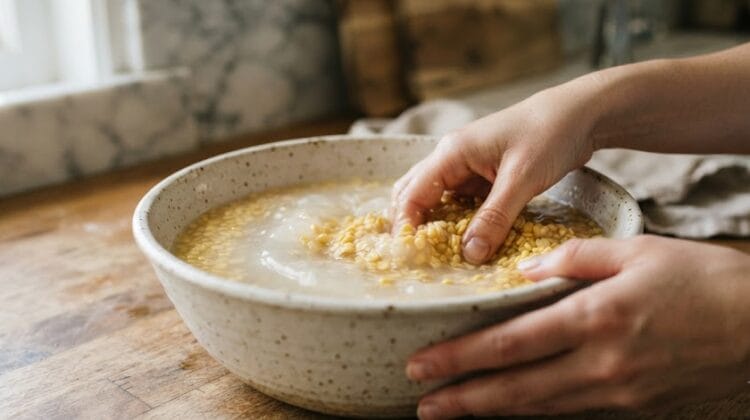
Wash the moong daal: Rinse moong daal dhuli under cold water 3–4 times until the water runs completely clear. Unlike chana daal, moong daal does not require soaking it cooks quickly even without any pre-soaking. However, soaking for 15–20 minutes speeds up cooking even further.
Moong Daal on Desi Bites

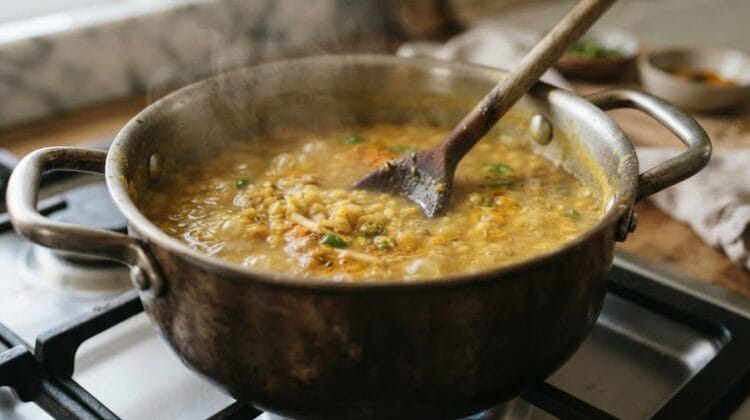
Boil the daal: In a large pot, combine washed moong daal with 4 cups of water, chopped onion, tomatoes, ginger garlic paste, turmeric, red chili powder, coriander powder, and salt. Bring to a vigorous boil over high heat. Skim off any foam that rises to the surface.
Simmer until soft: Reduce heat to medium-low, cover, and simmer for 18–20 minutes, stirring occasionally, until the moong daal is completely soft and has broken down into a smooth, slightly thick consistency. Moong daal should cook much faster than masoor or chana daal do not overcook or it will become glue-like.
Moong Daal on Desi Bites
Adjust consistency: Moong daal naturally thickens as it cooks. Add more warm water if the consistency is too thick it should flow easily but still coat the back of a spoon. If too thin, simmer uncovered for a few more minutes.

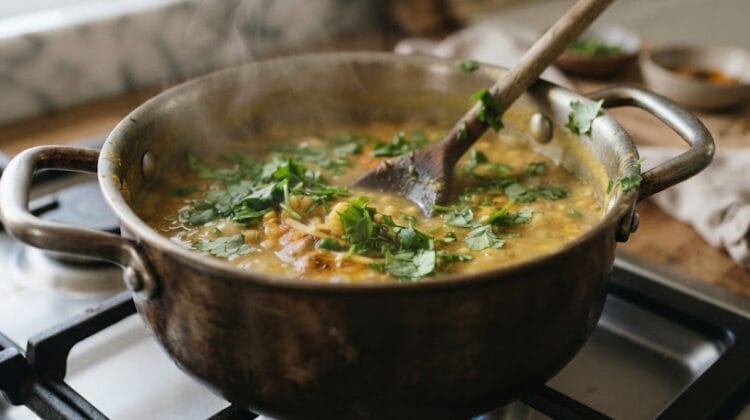
Add green chilies and coriander: Stir in the chopped green chilies, fresh coriander, and lemon juice. Taste and adjust salt and spice levels. The lemon juice adds a brightness that beautifully complements the mild, delicate flavor of the moong daal.
Moong Daal on Desi Bites

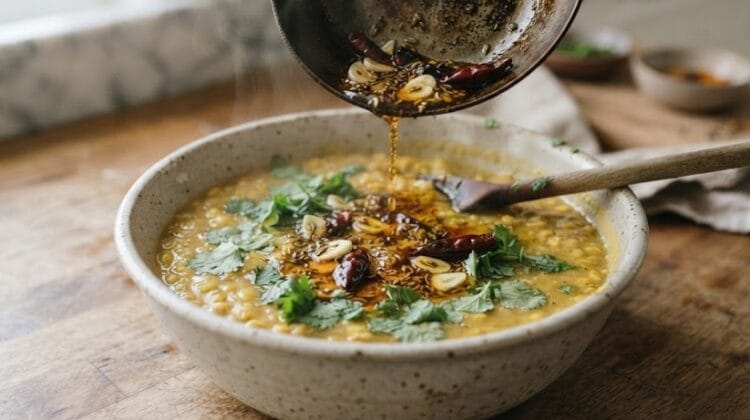
Make the tarka: Heat ghee in a small pan over high heat until shimmering hot. Add cumin seeds and let them splutter for 30 seconds. Add sliced garlic and dried red chilies fry until garlic turns golden and crispy, about 1 minute. Add crushed kasuri methi and garam masala, stir for 10 seconds. The entire tarka process should take no more than 2 minutes.
Pour the tarka: Immediately pour the sizzling hot tarka over the moong daal. The sound of hot ghee hitting the daal is the signature of authentic Pakistani cooking. Cover for 1 minute to allow the smoky, garlicky aroma to infuse throughout the dish.
Serve immediately: Moong daal is best served immediately while the tarka is still fragrant and fresh. Transfer to a serving bowl and serve with hot roti, naan, or steamed rice!
Moong Daal on Desi Bites

Moong Daal Masala Version Restaurant Style:

For a richer, more restaurant-style moong daal with a thicker, more complex masala, follow this enhanced method. Instead of boiling all the ingredients together, make the masala separately. Heat 4 tablespoons of oil in a pan, fry sliced onions until deep golden brown, add ginger garlic paste and tomatoes with all the spices, and cook until the oil separates about 15 minutes. Boil the moong daal separately in salted, turmeric water until soft, then pour the prepared masala into the cooked daal and stir together. Simmer for 10 minutes to allow the flavors to merge, then finish with a generous ghee tarka. This two-step method produces a noticeably deeper, more layered flavor than the one-pot method and is what most Pakistani restaurants use to achieve that distinctive restaurant-quality taste.

How to Serve Moong Daal?

Moong daal’s mild, versatile flavor makes it one of the most adaptable Pakistani dishes for different serving styles:
Classic with Roti:
The most traditional serving pour moong daal into a bowl and serve alongside hot, freshly made roti. The combination is light yet satisfying, perfect for lunch or a light dinner.
Moong Daal Chawal:
Spoon moong daal generously over plain steamed basmati rice. Add a fried egg on top and a drizzle of extra ghee for the ultimate Pakistani comfort meal that is deeply satisfying yet light.
Baby and Toddler Food:
Moong daal is the most recommended first solid food for Pakistani infants. Cook without chilies or excess spices, blend completely smooth, and serve with a tiny amount of ghee for an incredibly nutritious, easily digestible first meal.
Recovery Meal:
Moong daal with plain rice is the traditional Pakistani sick-day meal light, gentle on the stomach, easily digestible, and packed with nutrients that aid recovery. Cook with minimal spices for someone who is unwell.

Moong Daal Variations:

Moong Daal Palak:
Add 2 cups of fresh baby spinach to the moong daal in the last 5 minutes of cooking. The spinach wilts into the daal and adds a beautiful green color, iron boost, and mild earthy flavor that pairs perfectly with the delicate moong.
Lemon Moong Daal:
Double the lemon juice and add fresh lemon zest at the end for a bright, tangy version that is particularly refreshing in summer. Add a pinch of black salt (kala namak) for an authentic chaat-like flavor.
Lasooni Moong Daal:
Double the garlic in the tarka and add a generous portion of whole roasted garlic cloves for an intensely garlicky version that is absolutely addictive with hot naan.
Moong Daal with Methi:
Add 1 cup of fresh fenugreek leaves (methi) to the daal while boiling for a classic Pakistani combination with a distinctive bitter-sweet flavor profile beloved across the subcontinent.
Moong Daal Khichdi:
Cook moong daal together with basmati rice in a 1:1 ratio with whole spices for the ultimate Pakistani comfort food thick, creamy, warming khichdi that is perfect for cold days, illness recovery, or when you need gentle, nourishing food.

Tips & Tricks:

Never overcook yellow moong daal it becomes gluey and unpleasant if cooked for too long. Check it at 15 minutes and stop cooking as soon as it is completely soft and flows easily.
Always use ghee for the tarka rather than oil ghee creates a far more aromatic, authentic tarka that elevates the mild moong daal beautifully.
Add kasuri methi (dried fenugreek) to the tarka even a small pinch adds a restaurant-quality depth and aroma that completely transforms the dish.
Pour the tarka immediately when sizzling hot never let it cool down first. The sizzling sound when hot ghee meets the daal is part of what creates the smoky, aromatic finish.
Moong daal thickens dramatically as it cools and sits always add a splash of warm water when reheating and stir well to restore the original consistency.
For a completely smooth, silky moong daal, use an immersion blender after cooking for 30 seconds this creates a restaurant-style smooth consistency without adding any extra ingredients.
Moong daal is one of the best daals for Sehri during Ramadan it is light enough not to cause heaviness during fasting hours yet nutritious and filling enough to sustain energy.

Frequently Asked Questions:

Q1. What is the difference between yellow moong daal and green moong daal?

Yellow moong daal (dhuli) is split mung beans with the outer green skin removed. It is milder in flavor, cooks faster, and is more easily digestible. Green moong daal (chilka) has the skin left on more earthy flavor, more fiber, and takes slightly longer to cook.

Q2. Do I need to soak moong daal before cooking?

No, yellow moong daal does not require soaking. It cooks in just 18–20 minutes without any pre-soaking, making it one of the quickest-cooking lentils available. Optional 15-minute soak reduces cooking time further.

Q3. Why has my moong daal turned gluey and sticky?

Gluey moong daal is the result of overcooking. Yellow moong daal has high starch content that releases rapidly when cooked past doneness. Always check at 15 minutes and stop as soon as it is completely soft. If too thick, add hot water and stir vigorously.

Q4. Is moong daal good for weight loss?

Yes, moong daal is excellent for weight management. At approximately 210 calories per serving with 14g protein and 8g fiber, it provides excellent nutritional value per calorie. High protein and fiber content promote satiety and reduce overall calorie intake.

Q5. Can I make moong daal without a tarka?

You can, but the tarka transforms moong daal from a simple dish to an aromatic, deeply flavorful one. The sizzling ghee, golden garlic, and crispy cumin take just 2 minutes and make an enormous difference. It is strongly recommended not to skip this step.

Q6. Can moong daal be given to babies?

Absolutely moong daal is the most recommended first solid food for Pakistani infants. It is the most digestible lentil and extremely nutritious. For babies, cook without chili or excess spices, blend completely smooth, add a small amount of ghee, and consult your pediatrician before introducing any new food.

Q7. How should I store and reheat moong daal?

Store in an airtight container in the refrigerator for up to 3 days. When reheating, add a generous splash of warm water and stir well before heating moong daal thickens significantly. Reheat gently on stovetop over medium-low heat. Make the tarka fresh when reheating for the best flavor.

Q8. What is the difference between moong dal and masoor dal?

Masoor dal (red lentils) has a slightly earthier, more robust flavor and cooks to a golden-orange color. Moong dal has a milder, slightly sweet flavor and cooks to pale yellow. Moong dal is more digestible and lighter on the stomach, while masoor dal has a bolder flavor profile.

May You Also Like:

Masoor Daal Authentic Pakistani Style Red Lentil Soup

All Recipes, Daal Recipes, Vegetarian Recipes

Reader Interactions

Leave a Reply Cancel reply

Your email address will not be published. Required fields are marked *

Recipe Rating


Primary Sidebar

Search

More to See

Garlic Naan Recipe on Desi Bites

Garlic Naan Recipe Soft, Fluffy Pakistani Style at Home

July 22, 2026 By Desi Bites

Samosa Chaat on Desi Bites

Samosa Chaat Authentic Pakistani Street Food Recipe

July 20, 2026 By Desi Bites

Daal Mash on Desi Bites

Daal Mash Authentic Pakistani Recipe with Tarka Step by Step

July 18, 2026 By Desi Bites

Sweet Lassi on Desi Bites

Sweet Lassi Recipe Authentic Pakistani Style with Tips & Variations

July 17, 2026 By Desi Bites

  • Facebook
  • GitHub
  • Instagram
  • Pinterest
  • Twitter
  • YouTube

Footer

About Desi Bites

Welcome to Desi Bites,Discover authentic Pakistani recipes with simple steps and rich flavors.From biryani and karahi to desserts and daily meals, find delicious ideas for every occasion.

Cook. Taste. Enjoy.

Popular Recipes

  • Garlic Naan Recipe Soft, Fluffy Pakistani Style at Home
  • Chapli Kebab Authentic Peshawari Recipe Step by Step
  • Samosa Chaat Authentic Pakistani Street Food Recipe
  • Daal Mash Authentic Pakistani Recipe with Tarka Step by Step
  • Sweet Lassi Recipe Authentic Pakistani Style with Tips & Variations

Search

© 2026 Desi Bites | All Rights Reserved