
• Skip to main content
  • Skip to primary sidebar
  • Skip to footer
  • Home
  • All Recipes
    • Drinks
      • Lassi
      • Sharbat
      • Chai Recipes
    • Breakfast
      • Halwa Puri
      • Paratha Recipes
      • Omelette & Eggs
    • Breads
      • Chapati & Roti
      • Naan Recipes
      • Puri Recipes
    • Vegetarian Recipes
      • Aloo Dishes
      • Daal Recipes
      • Paneer Dishes
      • Sabzi (Vegetables)
    • Mutton & Beef Recipes
      • Beef Nihari
      • Chapli Kebab
      • Mutton Biryani
      • Mutton Karahi
    • Soups & Stews
      • Haleem
      • Paya Soup
      • Chicken Soup
    • Seafood Recipes
      • Fish Fry
      • Fish Curry
      • Prawn Recipes
    • Sauces & Chutneys
      • Raita
      • Imli Chutney
      • Mint Chutney
    • Snacks & Street Food
      • Chaat
      • Sandwiches
      • Samosa & Pakora
  • Chicken Recipes
    • Chicken Curry
    • Chicken Karahi
    • Chicken Biryani
    • BBQ & Grilled Chicken
  • Rice Dishes
    • Pulao
    • Biryani
    • Khichdi
  • Desserts
    • Cake & Cookies
    • Kheer & Halwa
    • Traditional Sweets
  • Ramadan Special
    • Sehri Recipes
    • Iftar Recipes
    • Sheer Khurma
  • Eid Special
    • Eid ul Adha Recipes
    • Eid ul Fitr Dishes
    • Meethai & Sweets
  • Tips & Tricks
    • Cooking Tips
    • Ingredient Guide
    • Kitchen Hacks
  • About Desi Bites
DesiBites Logo

Desi Bites

Recipes That Taste Like Home

Ad example
You are here: Home / All Recipes / Daal Mash Authentic Pakistani Recipe with Tarka Step by Step

Daal Mash Authentic Pakistani Recipe with Tarka Step by Step

July 18, 2026 · Desi Bites · Leave a Comment

Daal Mash on Desi Bites

Daal Mash Authentic Pakistani Recipe with Tarka Step by Step

60 minutes       5–6 servings        Easy          5.0 / 5

Daal Mash holds a place in Pakistani cuisine that is unlike any other lentil dish it is simultaneously the most humble and the most celebratory daal on the subcontinent. Made from urad lentils (also called white lentils or maash ki daal), this dish has the extraordinary quality of being perfect for a simple weekday dinner and equally at home on a wedding dawat spread. When prepared properly, Daal Mash has a creamy, almost silky texture that no other lentil can achieve, a mild, clean flavor that makes it the most universally loved daal in Pakistan, and a sizzling tarka of ghee, garlic, and red chilies poured over the top that transforms the dish from comforting to spectacular.
What makes Daal Mash so special among Pakistan’s many daal varieties is its texture. Unlike masoor, chana, or moong dal  which retain some firmness even when well cooked properly made daal mash becomes extraordinarily creamy, almost pudding-like, as the urad lentils break down during slow cooking and release their natural starches. This characteristic creaminess is what makes daal mash the preferred accompaniment for naan at dawats, the chosen comfort food for cold winter evenings, and the daal that mothers make for children who are unwell because it is so gentle, nourishing, and easy to digest.
In this complete guide, you will find everything needed to make a truly outstanding Daal Mash from choosing and soaking the lentils correctly, to the precise slow-cooking technique that creates the signature creamy texture, to the perfect tarka that elevates the dish. Regional variations, serving suggestions, health benefits, and a complete FAQ are all included to give you total mastery of this beloved Pakistani classic.

60

Cook time (min)

1 cup

Urad Lentils

5–6

Servings

Easy

Difficulty


What Makes Daal Mash Unique Among Pakistani Daals:

Pakistan has a rich tradition of daal cooking masoor, chana, moong, toor, and mixed daals all have devoted followings. But Daal Mash occupies a uniquely elevated position in this tradition. It is the only daal in Pakistani cuisine that is regularly served at formal occasions weddings, engagement dinners, and eid celebrations alongside meat dishes. This is because daal mash, when made well, has a richness and elegance that other lentils simply cannot match. The urad lentil (maash) is the highest protein lentil available, giving it a dense, satisfying quality that makes a bowlful genuinely filling in a way that thinner daals are not.
The other thing that sets Daal Mash apart is its extraordinary versatility. The same base recipe can be made thick and creamy for scooping with naan, thinner and more soup-like for pouring over rice, dry-fried into a bhuna version that is served as a side dish at dawats, or enriched with cream and butter into a restaurant-style makhani version. No other Pakistani daal offers this range of possibilities from a single preparation.


Understanding Urad Lentils The Heart of Daal Mash:

Before cooking, it helps to understand exactly what makes urad lentils special:

Whole White Urad (Sabut Maash):

The whole urad lentil with its black skin removed creamy white in color. This is what authentic Pakistani daal mash is made from. It requires overnight soaking and longer cooking but produces the creamiest, most traditionally flavored result.

Whole Black Urad (Sabut Urad):

The same lentil with the black skin intact. Produces a earthier, more robust daal mash with a deeper flavor. Takes longer to cook than white urad but produces a particularly nutritious result due to the fiber content of the skin.

Split Urad (Dhuli Maash):

White urad that has been split in half. Cooks faster than whole urad and produces a finer, smoother daal mash texture. Ideal when you want the dish ready more quickly without overnight soaking.

Soaking is Essential:

Unlike many lentils, urad absolutely requires soaking ideally overnight (6–8 hours minimum). Soaked urad cooks to a creamy, smooth consistency. Unsoaked urad remains grainy and never achieves the characteristic silky texture that defines great daal mash.


Nutritional Benefits (Per Serving):

15g

Protein

230

Calories

8g

Fiber

Iron+Folate

Key Nutrients

Daal Mash is one of the most nutritionally impressive foods in the Pakistani diet. Urad lentils have the highest protein content of any commonly used lentil 15 grams of complete plant-based protein per cooked serving makes daal mash an exceptional meat alternative. The significant fiber content supports digestive health and provides long-lasting satiety that prevents overeating. Urad lentils are particularly rich in folate essential during pregnancy for neural tube development iron for blood health, magnesium for bone density and muscle function, and potassium for blood pressure regulation.
High Protein:  Urad lentils contain more protein than any other commonly used daal in Pakistan making daal mash an exceptional meat-free protein source.
Digestive Health:  The fiber in urad lentils feeds beneficial gut bacteria and supports regular digestion. The ghee tarka also aids fat-soluble vitamin absorption.
Iron Rich:  Particularly important for women and growing children daal mash provides non-heme iron that is well absorbed when eaten alongside Vitamin C rich foods like tomatoes and lemon.
Brain Health:  Urad lentils are rich in B vitamins including folate and B6, both essential for brain function, mood regulation, and nervous system health.


Ingredients:

Main Ingredients

White Urad Lentils (Maash)

1 cup soaked overnight

Water

3–4 cups for boiling

Salt

1 tsp add while boiling

Turmeric Powder

¼ tsp while boiling

For the Masala

Oil or Ghee

3 tbsp

Onion

1 large, finely sliced

Tomatoes

2 medium, chopped

Ginger Garlic Paste

1.5 tbsp

Green Chilies

3–4, slit

Red Chili Powder

1 tsp

Coriander Powder

1 tsp

Cumin Powder

½ tsp

 For the Tarka (Most Important!)

Ghee

3 tbsp pure ghee only

Garlic (sliced)

6–8 cloves, thinly sliced

Whole Dried Red Chilies

4–5

Cumin Seeds

1 tsp

Kashmiri Red Chili Powder

½ tsp for color

Asafoetida (Hing)

Small pinch optional

For Garnish

Fresh Coriander

Handful, chopped

Julienned Ginger

For garnish

Lemon Wedges

Serve on side

Green Chilies (sliced)

2, for garnish


Step-by-Step Instructions:
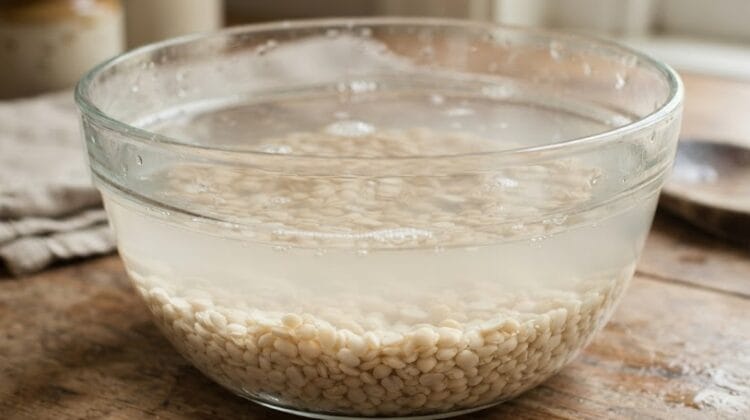
Soak the urad lentils: Wash the urad lentils thoroughly under cold water until the water runs clear. Cover with plenty of cold water and soak for a minimum of 6 hours overnight is ideal. Soaking is the single most important preparation step for daal mash. Properly soaked lentils cook in half the time and achieve a far creamier, smoother final texture.
Daal Mash on Desi Bites
Boil the lentils: Drain soaked lentils and rinse once more. Place in a pot with 3–4 cups of fresh water, turmeric, and salt. Bring to a boil on high heat, then reduce to medium-low. Cover and cook for 35–45 minutes until lentils are completely soft and creamy. Skim off any foam that rises in the first few minutes of boiling.
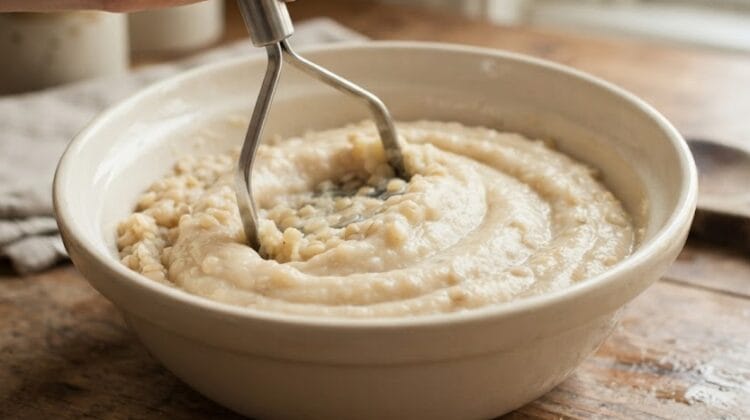
Check consistency: When the urad is fully cooked, press a lentil between your fingers it should mash with no resistance at all. Mash roughly with the back of a spoon or use a hand blender briefly for a smoother consistency. Your daal mash base is ready. Add more hot water if it looks too thick at this stage.

Daal Mash on Desi Bites
Make the masala: In a separate pan, heat oil or ghee and fry onions until golden about 12 minutes. Add ginger garlic paste and green chilies, fry 2 minutes. Add tomatoes, red chili, coriander, and cumin powder. Cook until tomatoes dissolve and oil separates about 10 minutes.
Combine masala and daal: Add the prepared masala to the boiled lentils. Stir well and simmer together on low heat for 10–12 minutes so the daal absorbs all the masala flavors. Taste and adjust salt. Your daal mash is almost ready now comes the most important finishing step.
Daal Mash on Desi Bites
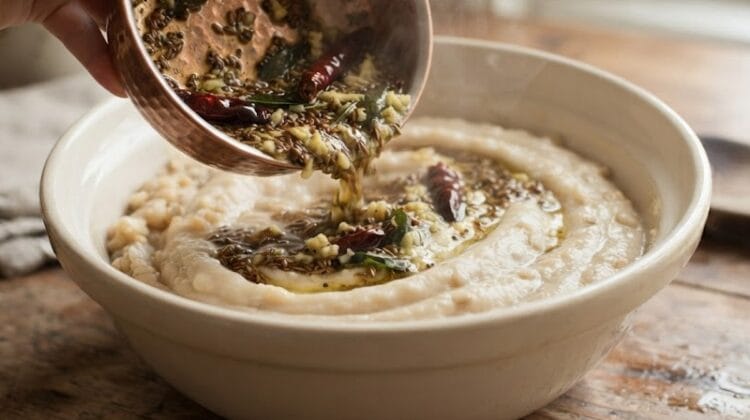
Prepare the tarka the essential finishing touch: In a small pan, heat ghee on high until very hot and shimmering. Add sliced garlic it should sizzle immediately and turn golden within 30–40 seconds. Add whole red chilies and cumin seeds they will crackle and pop. Add Kashmiri chili powder it will bloom instantly into a brilliant red. Remove from heat immediately.
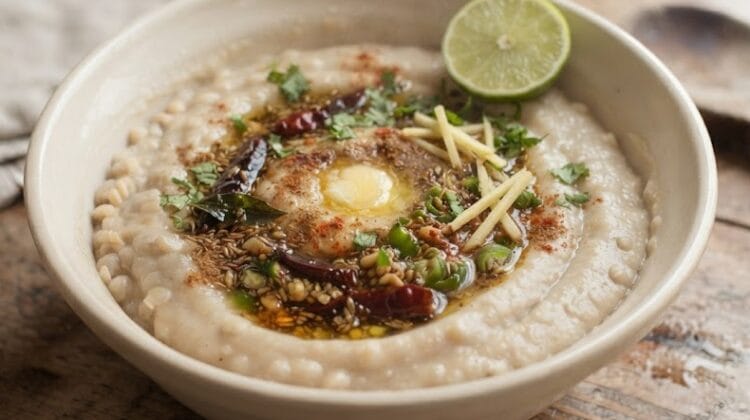
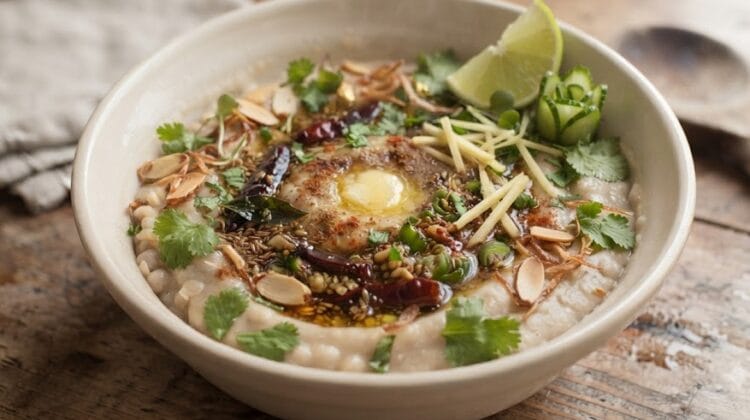
Pour tarka and serve: Pour the sizzling hot tarka directly over the daal mash in the serving bowl the garlic, chilies and ghee should crackle and spit on contact with the warm daal. Garnish immediately with fresh coriander, julienned ginger, and sliced green chilies. Serve hot with naan or rice.
Daal Mash on Desi Bites

Secrets for Restaurant-Quality Daal Mash:

Secret 1 Always soak overnight: There are no shortcuts here. Overnight soaking is what produces the silky, creamy texture that defines great daal mash. Quick-soaked or unsoaked urad never fully breaks down and remains slightly grainy.
Secret 2 Cook slowly on low heat: After initial boiling, reduce to the lowest possible heat and let the lentils cook slowly. Rushing daal mash on high heat produces uneven cooking some lentils burst while others remain hard.
Secret 3 Use pure ghee for tarka: The tarka is what makes or breaks a daal mash. Ghee produces a depth of flavor that oil simply cannot match the nuttiness of clarified butter with sizzling garlic is an irreplaceable flavor combination that defines the dish.
Secret 4 Keep tarka very hot: The tarka must be poured boiling hot over the daal if it cools before pouring, it loses the sizzle that releases the aromatic compounds of the garlic and spices into the daal. Have the daal ready in the serving bowl before starting the tarka.
Secret 5 Add lemon at the end: A squeeze of fresh lemon juice stirred in just before serving brightens the entire dish and balances the richness of the ghee tarka beautifully.

Delicious Variations:

Makhani Daal Mash:

Add 3 tablespoons of fresh cream and 1 tablespoon of butter to the finished daal mash and simmer for 5 minutes. This restaurant-style version is extraordinarily rich, silky, and indulgent the version most commonly served at Pakistani wedding dawats and fine dining restaurants. Moong Daal

Daal Mash with Spinach:

Add 2 cups of fresh spinach leaves to the daal mash in the last 5 minutes of cooking. The spinach wilts into the creamy lentils, adding color, iron, and a gentle earthy flavor that works beautifully with the rich ghee tarka.

Tamatar Wali Daal Mash:

Double the tomatoes in the masala and add a tablespoon of tomato paste for a more tangy, vibrant red daal mash with a brighter, more assertive flavor profile. This version pairs particularly well with plain rice.

Dry Bhuna Daal Mash:

Cook the daal mash until almost all liquid is absorbed, then bhuna on high heat with extra oil for 5 minutes until the lentils are semi-dry and slightly crispy at the edges. This dry version is served as a side dish at dawats alongside meat curries.

Lahsun Wali Daal Mash:

Triple the garlic in the tarka use 15–20 sliced cloves for an intensely garlicky version that is popular across Punjab. The extra garlic caramelizes deeply in the ghee and creates an extraordinarily aromatic tarka that elevates the entire dish.


Tips & Tricks:

  1. Add a small pinch of baking soda to the soaking water it softens the lentil skins and significantly reduces the overall cooking time of daal mash.
  2. Never add salt until the lentils are at least 80% cooked salt added too early prevents the lentils from softening fully and keeps daal mash grainy.
  3. Use a pressure cooker to reduce cooking time after soaking, pressure cook for 15–20 minutes instead of 45 minutes for equally creamy results when short on time.
  4. Make the tarka in a small iron kadhai or steel ladle directly over the flame for the hottest possible temperature the intense heat is what creates the characteristic crackling, sizzling tarka that makes daal mash so irresistible.
  5. Daal mash thickens significantly as it cools always make it slightly thinner than you want the final consistency, as it will thicken by the time it reaches the table.
  6. A small piece of dried ginger (sonth) added during boiling enhances the daal’s natural flavor and aids digestion a traditional Pakistani cooking tip for all urad preparations.
  7. Daal mash tastes even better the next day the lentils continue absorbing the masala overnight and the flavors deepen and unify beautifully. Make extra and refrigerate.

Frequently Asked Questions:

Q1. Why is my Daal Mash grainy and not creamy?

Grainy daal mash is almost always caused by insufficient soaking the urad lentils were not soaked long enough to fully soften. Soak overnight (minimum 8 hours) and cook on low heat for the full 45 minutes. Adding salt too early in the boiling process also prevents proper softening. If still grainy after cooking, use a hand blender for a quick blend.

Q2. Can I make Daal Mash in a pressure cooker?

Absolutely and it saves significant time. After overnight soaking, pressure cook with water, turmeric, and a pinch of salt for 15–20 minutes (3–4 whistles). Natural pressure release for 10 minutes before opening. The result is beautifully creamy daal mash in a fraction of the stovetop time. Make the masala separately while the daal pressure cooks.

Q3. What is the difference between Daal Mash and Daal Makhani?

Both are made from urad lentils but preparation is quite different. Daal mash is a Pakistani-style preparation with tomato-onion masala and a sizzling ghee-garlic tarka. Daal makhani adds kidney beans, cooks for several hours, and is finished with cream and butter. Daal mash is quicker, lighter, and more aromatic than makhani.

Q4. Why does Daal Mash cause gas and how to prevent it?

Urad lentils contain complex oligosaccharides that can cause gas. Three things help: soaking overnight and discarding soaking water; adding a small pinch of asafoetida (hing) to the tarka; and adding a few seeds of ajwain (carom) to the boiling water. These simple additions make daal mash considerably more digestible.

Q5. Can Daal Mash be made without onions and tomatoes?

Yes a simple, clean version is made by boiling soaked lentils with ginger garlic paste, green chilies, and minimal spices, then finishing with a generous ghee tarka of garlic and whole red chilies. This simplified version is often made for unwell family members as it is very gentle and easy to digest.

Q6. How long does Daal Mash keep in the refrigerator?

Daal mash keeps very well in the refrigerator for up to 4 days in an airtight container. It thickens considerably when cold reheat gently on low heat with a splash of warm water, stirring to restore original consistency. The flavor actually improves on day 2 and 3 as spices continue to infuse the lentils.

Q7. What is the best tarka for Daal Mash?

The classic Pakistani tarka is pure ghee with sliced garlic, whole dried red chilies, cumin seeds, and a pinch of Kashmiri chili powder for color. Garlic must be golden not burnt. Whole chilies add smoky heat. Kashmiri chili creates the beautiful deep red color that makes tarka so visually stunning when poured over white daal mash.

Q8. What to serve with Daal Mash?

Daal mash is most traditionally served with fresh tandoori naan or thick roti the creamy lentils are perfect for scooping. It also pairs beautifully with plain basmati rice. For a complete Pakistani meal, serve alongside a meat curry, raita, and salad. At dawats, daal mash is particularly popular alongside lamb or beef dishes.


You May Also Like:

Daal Fry Recipe Authentic Pakistani Restaurant Style at Home

All Recipes, Daal Recipes, Vegetarian Recipes

Reader Interactions

Leave a Reply Cancel reply

Your email address will not be published. Required fields are marked *

Recipe Rating


Primary Sidebar

Search

More to See

Garlic Naan Recipe on Desi Bites

Garlic Naan Recipe Soft, Fluffy Pakistani Style at Home

July 22, 2026 By Desi Bites

Samosa Chaat on Desi Bites

Samosa Chaat Authentic Pakistani Street Food Recipe

July 20, 2026 By Desi Bites

Daal Mash on Desi Bites

Daal Mash Authentic Pakistani Recipe with Tarka Step by Step

July 18, 2026 By Desi Bites

Sweet Lassi on Desi Bites

Sweet Lassi Recipe Authentic Pakistani Style with Tips & Variations

July 17, 2026 By Desi Bites

  • Facebook
  • GitHub
  • Instagram
  • Pinterest
  • Twitter
  • YouTube

Footer

About Desi Bites

Welcome to Desi Bites,Discover authentic Pakistani recipes with simple steps and rich flavors.From biryani and karahi to desserts and daily meals, find delicious ideas for every occasion.

Cook. Taste. Enjoy.

Popular Recipes

  • Garlic Naan Recipe Soft, Fluffy Pakistani Style at Home
  • Chapli Kebab Authentic Peshawari Recipe Step by Step
  • Samosa Chaat Authentic Pakistani Street Food Recipe
  • Daal Mash Authentic Pakistani Recipe with Tarka Step by Step
  • Sweet Lassi Recipe Authentic Pakistani Style with Tips & Variations

Search

© 2026 Desi Bites | All Rights Reserved