

• Skip to main content
  • Skip to primary sidebar
  • Skip to footer
  • Home
  • All Recipes
    • Drinks
      • Lassi
      • Sharbat
      • Chai Recipes
    • Breakfast
      • Halwa Puri
      • Paratha Recipes
      • Omelette & Eggs
    • Breads
      • Chapati & Roti
      • Naan Recipes
      • Puri Recipes
    • Vegetarian Recipes
      • Aloo Dishes
      • Daal Recipes
      • Paneer Dishes
      • Sabzi (Vegetables)
    • Mutton & Beef Recipes
      • Beef Nihari
      • Chapli Kebab
      • Mutton Biryani
      • Mutton Karahi
    • Soups & Stews
      • Haleem
      • Paya Soup
      • Chicken Soup
    • Seafood Recipes
      • Fish Fry
      • Fish Curry
      • Prawn Recipes
    • Sauces & Chutneys
      • Raita
      • Imli Chutney
      • Mint Chutney
    • Snacks & Street Food
      • Chaat
      • Sandwiches
      • Samosa & Pakora
  • Chicken Recipes
    • Chicken Curry
    • Chicken Karahi
    • Chicken Biryani
    • BBQ & Grilled Chicken
  • Rice Dishes
    • Pulao
    • Biryani
    • Khichdi
  • Desserts
    • Cake & Cookies
    • Kheer & Halwa
    • Traditional Sweets
  • Ramadan Special
    • Sehri Recipes
    • Iftar Recipes
    • Sheer Khurma
  • Eid Special
    • Eid ul Adha Recipes
    • Eid ul Fitr Dishes
    • Meethai & Sweets
  • Tips & Tricks
    • Cooking Tips
    • Ingredient Guide
    • Kitchen Hacks
  • About Desi Bites
DesiBites Logo

Desi Bites

Recipes That Taste Like Home

Ad example
You are here: Home / All Recipes / Chapli Kebab Authentic Peshawari Recipe Step by Step

Chapli Kebab Authentic Peshawari Recipe Step by Step

July 21, 2026 · Desi Bites · Leave a Comment

Chapli Kebab on Desi Bites

Chapli Kebab Authentic Peshawari Recipe Step by Step

45 minutes        12–14 kebabs          Easy           5.0 / 5

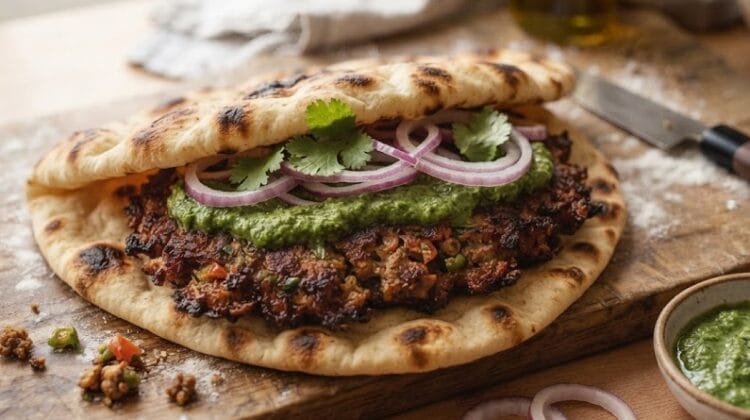
Chapli Kebab is the most distinctive, most celebrated, and most instantly recognizable street food to come out of Pakistan’s northwest frontier a large, flat, rough-edged beef patty that is fried in tallow or oil until its exterior is magnificently crispy and its interior remains astonishingly juicy, fragrant, and packed with the bold, complex flavors of Peshawar’s culinary tradition. If you have ever bitten into a properly made chapli kebab that moment when the crackling, caramelized exterior gives way to a moist, spiced interior studded with pomegranate seeds, crushed coriander, and whole spices you already understand why this dish has spread from the roadside dhabas of KPK to Pakistani restaurants around the world, winning devotees everywhere it goes.
What makes chapli kebab so completely different from other Pakistani kebabs is its texture and technique. While shami kabab is smooth and refined, and seekh kabab is ground onto skewers, chapli kebab embraces a deliberately coarse, rough-textured mixture that is only lightly bound and then shaped into large, flat patties with irregular, craggy edges. These jagged edges are not a defect they are precisely what creates the extraordinary crispy, almost lacey border that is the most prized part of every chapli kebab. The patties are then fried in a generous amount of oil or tallow on high heat, producing a crust that crackles under your teeth while the interior stays moist and intensely flavored.

In this complete guide, you will find everything needed to make truly authentic chapli kebab at home the exact spice blend that gives it its Peshawari character, the fat ratio that keeps the interior juicy, the frying technique that creates the perfect crispy edges, and all the regional variations and serving traditions that make this dish one of Pakistan’s greatest culinary treasures

45

Total time (min)

500g

Beef Mince

12–14

Kebabs

Easy

Difficulty


What Makes Chapli Kebab Different from All Other Kebabs:

Chapli kebab stands apart from every other kebab in the Pakistani repertoire through three defining characteristics that no other kebab shares simultaneously. First, the mixture is deliberately coarse the mince is not processed smooth but kept rough, with visible pieces of onion, tomato, and whole or coarsely crushed spices throughout. This coarse texture is what creates the kebab’s characteristic uneven surface and the dramatic crispy edges that form during frying. Second, chapli kebab contains tomato fresh tomato mixed directly into the raw mince which is unique among Pakistani kababs. The tomato releases its juices during frying, steaming the interior of the kebab from within and keeping it extraordinarily moist even as the exterior caramelizes. Third, it is the only Pakistani kabab traditionally fried in animal fat specifically beef tallow which gives it a richness and depth of flavor that vegetable oil cannot replicate.

The name “chapli” comes from the Pashto word “chaprikh” meaning flat a reference to the kebab’s distinctive large, flat shape. And “large” is not an exaggeration authentic Peshawari chapli kebab is often 15–18cm in diameter, roughly the size of a dessert plate, making it one of the most generously portioned street foods in all of Pakistan. At the famous chapli kebab shops of Nowshera, Charsadda, and Peshawar’s Namak Mandi, these enormous patties are fried in cauldrons of beef fat and served sizzling hot in a fresh naan with sliced onions and mint chutney an experience that is genuinely unlike any other street food encounter in the world.


Choosing the Right Meat for Chapli Kebab:

Coarsely Ground Beef (Best Choice):

Beef is the traditional and most authentic meat for chapli kebab specifically coarsely ground beef with at least 20–25% fat content. The fat is not optional lean beef produces dry, crumbly chapli kebab that lacks the juicy interior and crispy exterior that defines the dish. Ask your butcher for a coarse grind, not fine mince.

Mutton or Lamb (Classic Alternative):

Mutton chapli kebab is particularly popular in rural KPK and produces an even richer, more intensely flavored kebab than beef. The natural fat content of mutton makes it almost impossible to produce a dry result, and the distinctive flavor of lamb pairs beautifully with the bold Peshawari spice blend.

Chicken (Lighter Version):

Chicken chapli kebab has become popular in urban Pakistani restaurants as a lighter alternative. Use thigh mince for fat content and add 2 tablespoons of oil to the mixture to compensate for the lower natural fat. Chicken chapli kebab requires slightly shorter frying time but follows the same technique.

Fat Content is Critical:

Whatever meat you use, fat content is the most important factor. The rendered fat from the mince bastes the kebab from within during frying, keeping the interior moist while the exterior crisps. Never use extra-lean mince for chapli kebab the result will be dry and disappointing


Nutritional Value (Per Serving 2 Kebabs):

28g

Protein

380

Calories

Iron+Zinc

Key Minerals

B12+B6

Key Vitamins

Chapli kebab is a protein powerhouse 28 grams of complete protein per two-kebab serving makes it one of the most protein-dense street foods available. The beef provides exceptionally bioavailable heme iron and zinc, both essential for immune function and energy production. The generous spice blend in chapli kebab contributes genuine health benefits: coriander seeds support digestive health and blood sugar regulation; pomegranate seeds contain powerful antioxidants; ginger has anti-inflammatory properties; and the tomatoes provide lycopene that is actually made more bioavailable by cooking. This is a street food that feeds the body as powerfully as it satisfies the appetite.


 Ingredients:

For the Kebab Mixture

Beef Mince (coarse, fatty)

500g 20–25% fat content

Onion

1 large, finely chopped

Tomatoes

2 medium deseeded, chopped

Green Chilies

4–5, finely chopped

Fresh Coriander

Large handful, chopped

Fresh Mint

Small handful, chopped

Ginger (grated)

1 tbsp

Egg

1 for binding

Gram Flour (Besan)

2 tbsp for binding

Pomegranate Seeds (Anardana)

2 tbsp dried

The Peshawari Spice Blend

Coriander Seeds (crushed)

2 tsp coarsely crushed

Cumin Seeds (crushed)

1 tsp coarsely crushed

Red Chili Flakes

1.5 tsp

Black Pepper (crushed)

½ tsp

Garam Masala

½ tsp

Turmeric Powder

¼ tsp

Carom Seeds (Ajwain)

¼ tsp

Salt

1.5 tsp to taste

 For Frying

Oil or Beef Tallow

Generous amount for shallow frying

 For Serving

Fresh Naan or Roti

For wrapping

Sliced Onion Rings

Raw, separated into rings

Mint Chutney

Green, freshly blended

Lemon Wedges

For squeezing

Fresh Tomato Slices

For garnish


Step-by-Step Instructions:

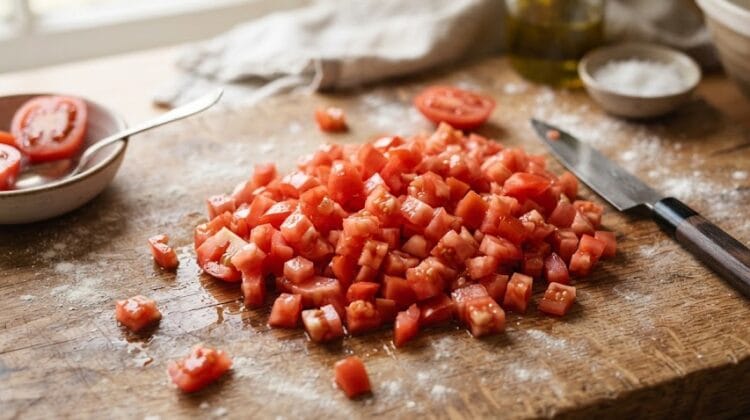
Prepare the tomatoes: This is the most important preparation step. Cut tomatoes in half, squeeze out and discard all seeds and excess liquid, then chop finely. Tomato water in the mixture makes chapli kebab impossible to shape removing it is what keeps the mixture firm enough to handle while still adding the tomato flavor and moisture during cooking
Chapli Kebab on Desi Bites
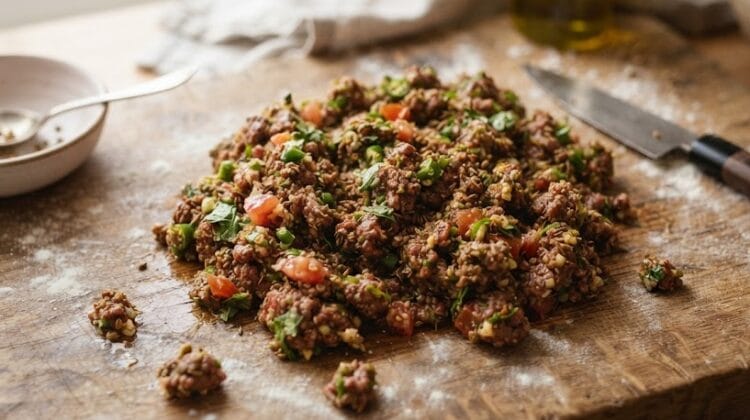
Coarsely crush the whole spices: Place coriander seeds and cumin seeds in a mortar and crush coarsely not into a fine powder. The coarsely crushed whole spices are one of the most important textural and flavor elements of authentic chapli kebab. They should be visibly broken but with some larger fragments remaining.

Combine all ingredients: In a large bowl, combine beef mince, prepared tomatoes, chopped onion, green chilies, fresh coriander, mint, grated ginger, egg, gram flour, dried pomegranate seeds (anardana), and all spices. Mix well by hand for 3–4 minutes until everything is evenly distributed but the mixture remains rough and coarse do NOT process in a food processor.
Chapli Kebab on Desi Bites
Rest the mixture: Cover the chapli kebab mixture and refrigerate for 30 minutes. Resting allows the salt to draw out a little moisture from the onion and tomato, which is then redistributed throughout the mixture. It also firms up the fat in the mince, making the mixture easier to shape. Never skip this step.

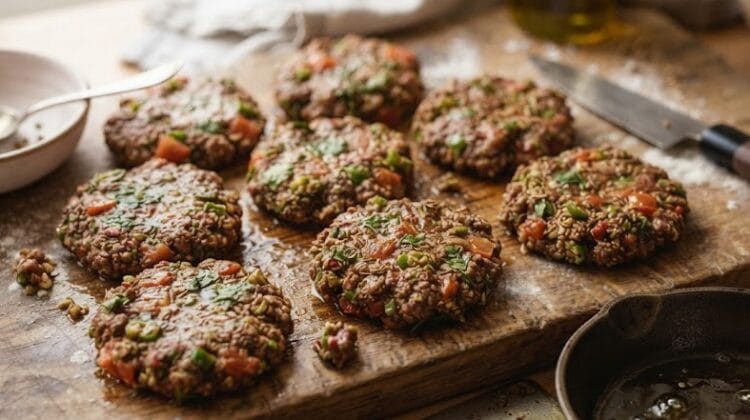
Shape the kebabs: Divide the rested mixture into 12–14 equal portions. Take one portion, roll into a ball, place on a flat surface, and press firmly and evenly with your palm into a large, flat patty approximately 1cm thick and 8–10cm diameter for home size (or 15cm for authentic Peshawari size). The edges should be slightly craggy and irregular this is correct and desired.
Chapli Kebab on Desi Bites
Fry on high heat: Heat generous oil or tallow in a heavy frying pan on high heat until shimmering. Carefully slide 2–3 chapli kebabs into the hot oil. Fry on high heat for 3–4 minutes without moving let the underside develop a deep, caramelized crust. The edges will visibly crisp and turn a magnificent dark golden-brown.
Flip once and finish: Flip each chapli kebab carefully with a wide spatula flip only once. Fry the second side for 3 minutes until equally golden. The kebab should feel firm when pressed lightly. Remove and drain briefly on paper towel. Serve immediately chapli kebab is at its absolute best the moment it comes out of the pan!

Chapli Kebab on Desi Bites


Authentic Peshawari Secrets for Perfect Chapli Kebab:

Secret 1 Always deseed the tomatoes:

The most common reason home chapli kebab falls apart during frying is excess moisture from un-deseeded tomatoes. Always cut tomatoes in half, squeeze out every drop of juice and seeds, then chop. The flesh adds flavor and moisture during cooking; the liquid makes the mixture impossible to handle.

Secret 2 Coarse grind, never fine:

Authentic chapli kebab requires a coarse mince not the fine, smooth mince used for seekh kabab or shami kabab. If your butcher only provides fine mince, pulse it briefly in a food processor to break up any overly smooth texture, or mix with a fork to loosen it before combining with other ingredients.

Secret 3 Beef tallow for authentic flavor:

The famous chapli kebab shops of Peshawar and Nowshera fry in pure beef tallow rendered beef fat. If you can obtain it, use it. The flavor difference compared to vegetable oil is significant and unmistakable a deeper, richer, more beefy flavor that is the defining characteristic of truly authentic chapli kebab.

Secret 4 Anardana is non-negotiable:

Dried pomegranate seeds (anardana) are the secret ingredient that most distinguishes chapli kebab from all other Pakistani kebabs. They add a bright, fruity sourness that cuts through the richness of the fatty beef and provides a unique flavor note in every bite. Never substitute with fresh pomegranate the dried seeds have a concentrated sourness that fresh cannot provide.

Secret 5 High heat, no pressing:

Fry on genuinely high heat and never press the kebabs with a spatula during cooking. Pressing squeezes out the natural juices that keep the interior moist. High heat creates the Maillard reaction on the surface rapidly, sealing those juices inside and creating the magnificent caramelized crust that defines great chapli kebab.

Regional Chapli Kebab Variations:

Nowshera Style Chapli Kebab:

Nowshera, a city in KPK, is famous for producing some of Pakistan’s finest chapli kebab. The Nowshera style uses an exceptionally high fat content, double the anardana quantity, and fries in pure beef tallow at very high temperatures for a kebab with maximum crispiness and richness. Many consider Nowshera chapli kebab the authentic benchmark.

Chicken Curry

Extra Spicy Chapli Kebab:

Double the green chilies and red chili flakes for a version that delivers serious heat alongside the characteristic Peshawari flavors. This style is popular with true spice lovers and is best served with extra mint raita to balance the heat.

Mutton Chapli Kebab:

Replace beef with coarsely ground mutton or lamb for a richer, more robustly flavored chapli kebab. Mutton’s natural fat content makes the interior even juicier than beef. This version is particularly popular in rural KPK where mutton is traditionally the preferred meat.

Cheese Chapli Kebab:

A modern urban variation press a slice of processed cheese between two thin chapli kebab patties, seal the edges, and fry. The cheese melts inside during cooking creating a spectacular molten center. Popular at Pakistani cafes and restaurants in Lahore and Karachi.

Karahi Chapli Kebab:

Cook the chapli kebab mixture in a karahi (without shaping into patties) with additional tomatoes, onions, and green masala for a rustic, deconstructed version that is eaten with naan. This karahi-style preparation is a popular home-cooking adaptation when guests arrive unexpectedly and there is no time to shape individual kebabs.

Tips & Tricks:

  1. Refrigerate the mixture for at least 30 minutes before shaping the cold firms the fat, making the mixture much easier to handle and the shaped patties more stable during frying.
  2. Wet your hands before shaping lightly damp palms prevent the mixture from sticking and help create smooth, even patties without cracks.
  3. Never overcrowd the frying pan chapli kebab needs space for the heat to circulate and the edges to crisp properly. Fry maximum 2–3 at a time in a standard pan.
  4. Use dried pomegranate seeds (anardana), not fresh the concentrated sour flavor of dried anardana is essential to authentic chapli kebab character. Fresh pomegranate seeds provide sweetness but not the distinctive sourness.
  5. Crush spices coarsely in a mortar never use pre-ground coriander or cumin powder in chapli kebab. The coarsely crushed whole seeds provide a completely different, more intense, more textured spice experience.
  6. Serve immediately chapli kebab loses its crackling exterior within minutes of coming off the heat. Have naan, onion, and chutney ready before frying the last batch.
  7. Add gram flour (besan) for binding 2 tablespoons of besan binds the coarse mixture just enough to keep the kebabs from crumbling during frying without making them dense or heavy.

Frequently Asked Questions:

Q1. Why does my Chapli Kebab fall apart during frying?

The most common causes are: too much moisture from un-deseeded tomatoes (always deseed completely); insufficient binding (add 1 extra tablespoon of besan); mixture not refrigerated before shaping; or frying in insufficiently hot oil. Refrigerating for 30 minutes and deseeding tomatoes completely solves 90% of all chapli kebab falling apart problems.

Q2. What is anardana and where can I find it?

Anardana is dried pomegranate seeds available at any Pakistani or South Asian grocery store in whole seed or powder form. For chapli kebab, whole seeds or coarsely crushed seeds are preferred. If absolutely unavailable, a teaspoon of dried mango powder (amchur) provides a similar sourness, though the flavor is slightly different.

Q3. Can I make Chapli Kebab without eggs?

Yes the egg helps bind the coarse mixture but is not essential if you have added besan. If avoiding eggs, increase besan to 3 tablespoons and refrigerate the mixture for an extra 15 minutes before shaping. The result is slightly less cohesive but still very good if the mixture is well chilled before frying.

Q4. How large should Chapli Kebab be?

Authentic Peshawari chapli kebab is remarkably large 15–18cm in diameter, about the size of a small plate. Home-cooked versions are typically 8–10cm in diameter, more practical for home pans. Thickness should always be approximately 1cm thinner and it overcooks; thicker and the interior does not cook properly before the exterior burns.

Q5. Can I freeze Chapli Kebab?

Absolutely chapli kebab freezes exceptionally well both raw and cooked. For raw: shape, freeze on a lined tray until solid, then transfer to bags. Fry directly from frozen adding 2 extra minutes per side. For cooked: cool completely and freeze. Reheat in a hot dry pan for 3 minutes per side. Never microwave it destroys the exterior texture.

Q6. What is the difference between Chapli Kebab and Shami Kebab?

Chapli kebab is a coarse beef patty with whole spices and tomato rustic, bold, and crispy-edged. Shami kabab is a smooth beef and chana daal mixture ground to paste, stuffed with herbs refined and delicate. Chapli kebab is large and flat; shami kabab is small and neat. Both are spectacular but share almost nothing except being made with mince.

Q7. How should I serve Chapli Kebab traditionally?

The authentic Peshawari way: lay fresh hot naan flat, place the sizzling chapli kebab in the center, add raw onion rings, sliced tomato, fresh coriander and mint, and a generous drizzle of green mint chutney. Fold the naan over the kebab and eat immediately. Lemon wedges on the side for squeezing over are essential.

Q8. Why does restaurant Chapli Kebab taste different from home-made?

Three things create the restaurant difference: beef tallow instead of vegetable oil (dramatically richer flavor); much higher fat content in the mince (restaurant chapli kebab mince is often 30%+ fat); and extremely high frying temperatures achieved on commercial burners. To get closer at home  use fattiest mince available, fry in cast iron pan at maximum heat, and if possible obtain beef tallow from a butcher.


You May Also Know:

Mutton Curry Recipe Authentic Pakistani Style Step by Step

All Recipes, Chapli Kebab, Cooking Tips, Ingredient Guide, Mutton & Beef Recipes, Tips & Tricks

Reader Interactions

Leave a Reply Cancel reply

Your email address will not be published. Required fields are marked *

Recipe Rating


Primary Sidebar

Search

More to See

Garlic Naan Recipe on Desi Bites

Garlic Naan Recipe Soft, Fluffy Pakistani Style at Home

July 22, 2026 By Desi Bites

Samosa Chaat on Desi Bites

Samosa Chaat Authentic Pakistani Street Food Recipe

July 20, 2026 By Desi Bites

Daal Mash on Desi Bites

Daal Mash Authentic Pakistani Recipe with Tarka Step by Step

July 18, 2026 By Desi Bites

Sweet Lassi on Desi Bites

Sweet Lassi Recipe Authentic Pakistani Style with Tips & Variations

July 17, 2026 By Desi Bites

  • Facebook
  • GitHub
  • Instagram
  • Pinterest
  • Twitter
  • YouTube

Footer

About Desi Bites

Welcome to Desi Bites,Discover authentic Pakistani recipes with simple steps and rich flavors.From biryani and karahi to desserts and daily meals, find delicious ideas for every occasion.

Cook. Taste. Enjoy.

Popular Recipes

  • Garlic Naan Recipe Soft, Fluffy Pakistani Style at Home
  • Chapli Kebab Authentic Peshawari Recipe Step by Step
  • Samosa Chaat Authentic Pakistani Street Food Recipe
  • Daal Mash Authentic Pakistani Recipe with Tarka Step by Step
  • Sweet Lassi Recipe Authentic Pakistani Style with Tips & Variations

Search

© 2026 Desi Bites | All Rights Reserved