

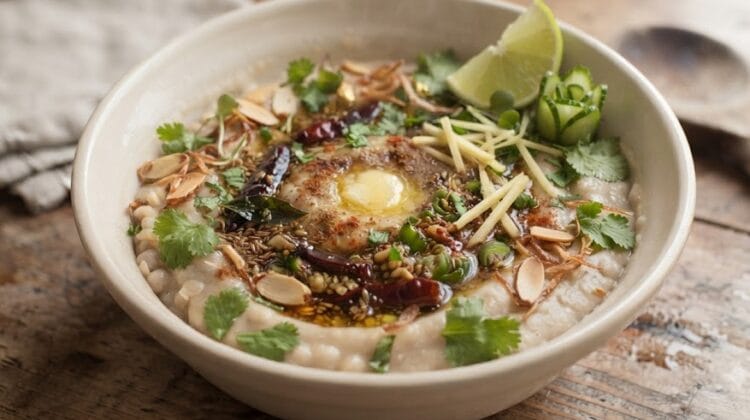
Daal Mash Authentic Pakistani Recipe with Tarka Step by Step
60 minutes 5–6 servings Easy 5.0 / 5
60
Cook time (min)
1 cup
Urad Lentils
5–6
Servings
Easy
Difficulty
What Makes Daal Mash Unique Among Pakistani Daals:
Understanding Urad Lentils The Heart of Daal Mash:
Whole White Urad (Sabut Maash):
Whole Black Urad (Sabut Urad):
Split Urad (Dhuli Maash):
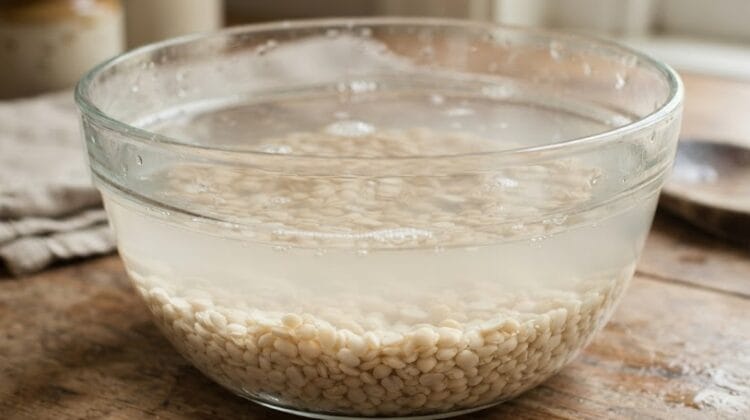
Soaking is Essential:
Nutritional Benefits (Per Serving):
15g
Protein
230
Calories
8g
Fiber
Iron+Folate
Key Nutrients
Ingredients:
Main Ingredients
White Urad Lentils (Maash)
1 cup soaked overnight
Water
3–4 cups for boiling
Salt
1 tsp add while boiling
Turmeric Powder
¼ tsp while boiling
For the Masala
Oil or Ghee
3 tbsp
Onion
1 large, finely sliced
Tomatoes
2 medium, chopped
Ginger Garlic Paste
1.5 tbsp
Green Chilies
3–4, slit
Red Chili Powder
1 tsp
Coriander Powder
1 tsp
Cumin Powder
½ tsp
For the Tarka (Most Important!)
Ghee
3 tbsp pure ghee only
Garlic (sliced)
6–8 cloves, thinly sliced
Whole Dried Red Chilies
4–5
Cumin Seeds
1 tsp
Kashmiri Red Chili Powder
½ tsp for color
Asafoetida (Hing)
Small pinch optional
For Garnish
Fresh Coriander
Handful, chopped
Julienned Ginger
For garnish
Lemon Wedges
Serve on side
Green Chilies (sliced)
2, for garnish
Step-by-Step Instructions:
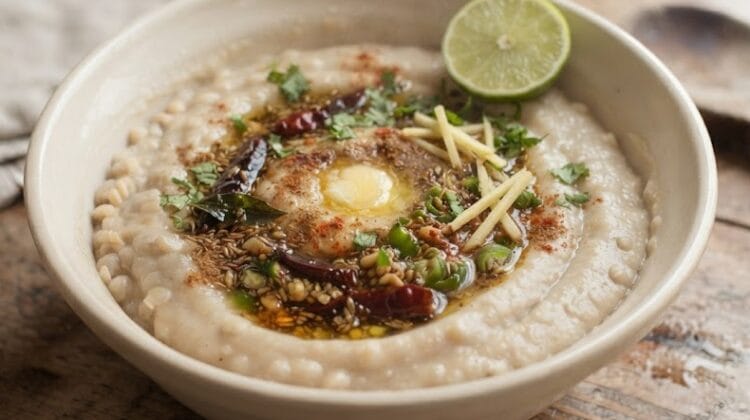
Secrets for Restaurant-Quality Daal Mash:
Delicious Variations:
Makhani Daal Mash:
Daal Mash with Spinach:
Tamatar Wali Daal Mash:
Dry Bhuna Daal Mash:
Lahsun Wali Daal Mash:
Tips & Tricks:
- Add a small pinch of baking soda to the soaking water it softens the lentil skins and significantly reduces the overall cooking time of daal mash.
- Never add salt until the lentils are at least 80% cooked salt added too early prevents the lentils from softening fully and keeps daal mash grainy.
- Use a pressure cooker to reduce cooking time after soaking, pressure cook for 15–20 minutes instead of 45 minutes for equally creamy results when short on time.
- Make the tarka in a small iron kadhai or steel ladle directly over the flame for the hottest possible temperature the intense heat is what creates the characteristic crackling, sizzling tarka that makes daal mash so irresistible.
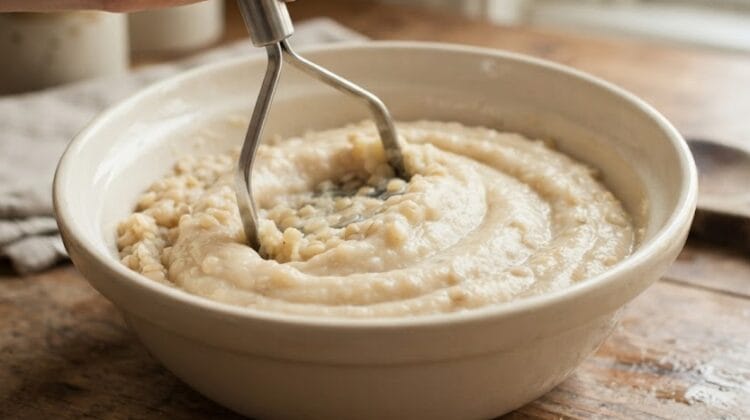
- Daal mash thickens significantly as it cools always make it slightly thinner than you want the final consistency, as it will thicken by the time it reaches the table.
- A small piece of dried ginger (sonth) added during boiling enhances the daal’s natural flavor and aids digestion a traditional Pakistani cooking tip for all urad preparations.
- Daal mash tastes even better the next day the lentils continue absorbing the masala overnight and the flavors deepen and unify beautifully. Make extra and refrigerate.
Frequently Asked Questions:
Q1. Why is my Daal Mash grainy and not creamy?
Grainy daal mash is almost always caused by insufficient soaking the urad lentils were not soaked long enough to fully soften. Soak overnight (minimum 8 hours) and cook on low heat for the full 45 minutes. Adding salt too early in the boiling process also prevents proper softening. If still grainy after cooking, use a hand blender for a quick blend.
Q2. Can I make Daal Mash in a pressure cooker?
Absolutely and it saves significant time. After overnight soaking, pressure cook with water, turmeric, and a pinch of salt for 15–20 minutes (3–4 whistles). Natural pressure release for 10 minutes before opening. The result is beautifully creamy daal mash in a fraction of the stovetop time. Make the masala separately while the daal pressure cooks.
Q3. What is the difference between Daal Mash and Daal Makhani?
Both are made from urad lentils but preparation is quite different. Daal mash is a Pakistani-style preparation with tomato-onion masala and a sizzling ghee-garlic tarka. Daal makhani adds kidney beans, cooks for several hours, and is finished with cream and butter. Daal mash is quicker, lighter, and more aromatic than makhani.
Q4. Why does Daal Mash cause gas and how to prevent it?
Urad lentils contain complex oligosaccharides that can cause gas. Three things help: soaking overnight and discarding soaking water; adding a small pinch of asafoetida (hing) to the tarka; and adding a few seeds of ajwain (carom) to the boiling water. These simple additions make daal mash considerably more digestible.
Q5. Can Daal Mash be made without onions and tomatoes?
Yes a simple, clean version is made by boiling soaked lentils with ginger garlic paste, green chilies, and minimal spices, then finishing with a generous ghee tarka of garlic and whole red chilies. This simplified version is often made for unwell family members as it is very gentle and easy to digest.
Q6. How long does Daal Mash keep in the refrigerator?
Daal mash keeps very well in the refrigerator for up to 4 days in an airtight container. It thickens considerably when cold reheat gently on low heat with a splash of warm water, stirring to restore original consistency. The flavor actually improves on day 2 and 3 as spices continue to infuse the lentils.
Q7. What is the best tarka for Daal Mash?
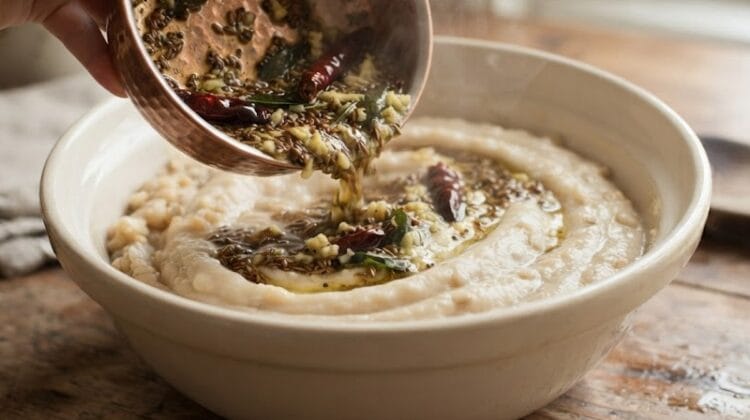
The classic Pakistani tarka is pure ghee with sliced garlic, whole dried red chilies, cumin seeds, and a pinch of Kashmiri chili powder for color. Garlic must be golden not burnt. Whole chilies add smoky heat. Kashmiri chili creates the beautiful deep red color that makes tarka so visually stunning when poured over white daal mash.
Q8. What to serve with Daal Mash?
Daal mash is most traditionally served with fresh tandoori naan or thick roti the creamy lentils are perfect for scooping. It also pairs beautifully with plain basmati rice. For a complete Pakistani meal, serve alongside a meat curry, raita, and salad. At dawats, daal mash is particularly popular alongside lamb or beef dishes.
You May Also Like:
Daal Fry Recipe Authentic Pakistani Restaurant Style at Home
Leave a Reply