

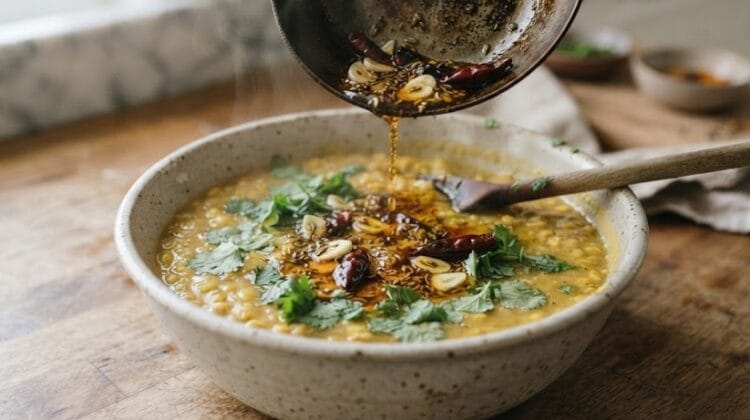
Moong Daal Recipe Easy Pakistani Mung Bean Curry with Tarka
25
Cook time (min)
1.5
Cups daal
4
Servings
Easy
Difficulty
Types of Moong Daal Which One to Use?
Why Moong Daal is the Most Digestible Lentil?
Nutritional Benefits (Per Serving):
14g
Protein
8g
Fiber
210
Calories
Folate
Rich Source
Health Benefits of Moong Daal:
Ingredients:
For the Daal
Moong Daal Dhuli (Yellow)
1.5 cups, washed
Water
4 cups
Onion
1 medium, chopped
Tomatoes
2 medium, chopped
Ginger Garlic Paste
1 tbsp
Green Chilies
2–3, chopped
Turmeric Powder
½ tsp
Red Chili Powder
½ tsp
Coriander Powder
½ tsp
Salt
To taste
Fresh Coriander
Handful, chopped
Lemon Juice
1 tbsp
For the Tarka (Tempering)
Ghee
3 tbsp
Garlic
5–6 cloves, sliced
Cumin Seeds
1 tsp
Dried Red Chilies
3–4 whole
Garam Masala
¼ tsp
Kasuri Methi
½ tsp, crushed
Step-by-Step Instructions:
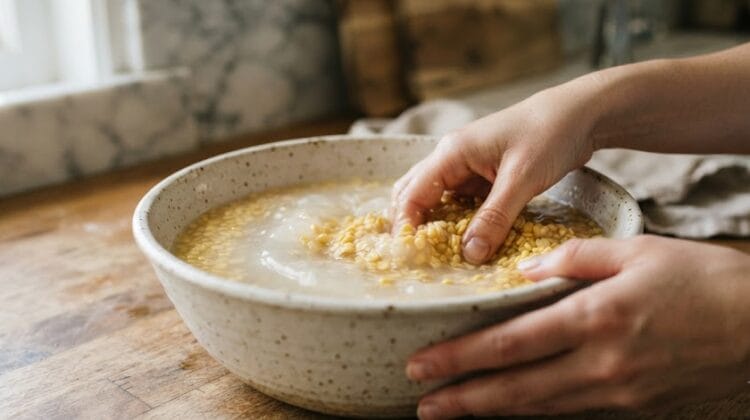
Wash the moong daal: Rinse moong daal dhuli under cold water 3–4 times until the water runs completely clear. Unlike chana daal, moong daal does not require soaking it cooks quickly even without any pre-soaking. However, soaking for 15–20 minutes speeds up cooking even further.
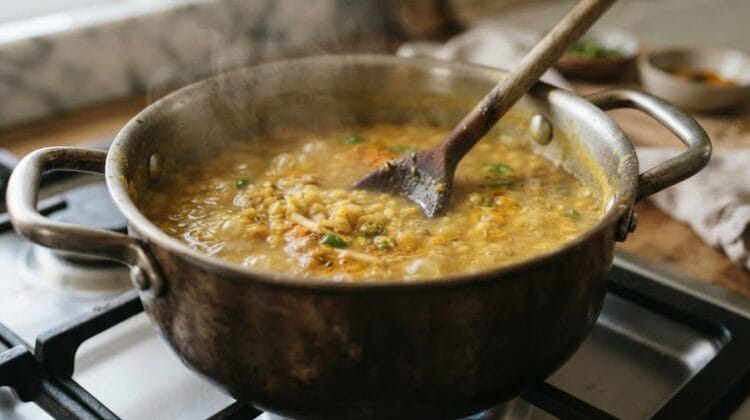
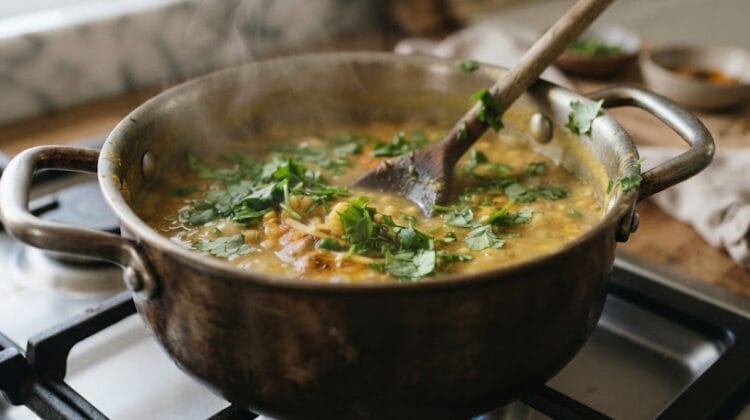
Add green chilies and coriander: Stir in the chopped green chilies, fresh coriander, and lemon juice. Taste and adjust salt and spice levels. The lemon juice adds a brightness that beautifully complements the mild, delicate flavor of the moong daal.
Moong Daal Masala Version Restaurant Style:
How to Serve Moong Daal?
Moong Daal Variations:
Tips & Tricks:
Frequently Asked Questions:
Q1. What is the difference between yellow moong daal and green moong daal?
Yellow moong daal (dhuli) is split mung beans with the outer green skin removed. It is milder in flavor, cooks faster, and is more easily digestible. Green moong daal (chilka) has the skin left on more earthy flavor, more fiber, and takes slightly longer to cook.
Q2. Do I need to soak moong daal before cooking?
No, yellow moong daal does not require soaking. It cooks in just 18–20 minutes without any pre-soaking, making it one of the quickest-cooking lentils available. Optional 15-minute soak reduces cooking time further.
Q3. Why has my moong daal turned gluey and sticky?
Gluey moong daal is the result of overcooking. Yellow moong daal has high starch content that releases rapidly when cooked past doneness. Always check at 15 minutes and stop as soon as it is completely soft. If too thick, add hot water and stir vigorously.
Q4. Is moong daal good for weight loss?
Yes, moong daal is excellent for weight management. At approximately 210 calories per serving with 14g protein and 8g fiber, it provides excellent nutritional value per calorie. High protein and fiber content promote satiety and reduce overall calorie intake.
Q5. Can I make moong daal without a tarka?
You can, but the tarka transforms moong daal from a simple dish to an aromatic, deeply flavorful one. The sizzling ghee, golden garlic, and crispy cumin take just 2 minutes and make an enormous difference. It is strongly recommended not to skip this step.
Q6. Can moong daal be given to babies?
Absolutely moong daal is the most recommended first solid food for Pakistani infants. It is the most digestible lentil and extremely nutritious. For babies, cook without chili or excess spices, blend completely smooth, add a small amount of ghee, and consult your pediatrician before introducing any new food.
Q7. How should I store and reheat moong daal?
Store in an airtight container in the refrigerator for up to 3 days. When reheating, add a generous splash of warm water and stir well before heating moong daal thickens significantly. Reheat gently on stovetop over medium-low heat. Make the tarka fresh when reheating for the best flavor.
Q8. What is the difference between moong dal and masoor dal?
Masoor dal (red lentils) has a slightly earthier, more robust flavor and cooks to a golden-orange color. Moong dal has a milder, slightly sweet flavor and cooks to pale yellow. Moong dal is more digestible and lighter on the stomach, while masoor dal has a bolder flavor profile.
Leave a Reply