
• Skip to main content
  • Skip to primary sidebar
  • Skip to footer
  • Home
  • All Recipes
    • Drinks
      • Lassi
      • Sharbat
      • Chai Recipes
    • Breakfast
      • Halwa Puri
      • Paratha Recipes
      • Omelette & Eggs
    • Breads
      • Chapati & Roti
      • Naan Recipes
      • Puri Recipes
    • Vegetarian Recipes
      • Aloo Dishes
      • Daal Recipes
      • Paneer Dishes
      • Sabzi (Vegetables)
    • Mutton & Beef Recipes
      • Beef Nihari
      • Chapli Kebab
      • Mutton Biryani
      • Mutton Karahi
    • Soups & Stews
      • Haleem
      • Paya Soup
      • Chicken Soup
    • Seafood Recipes
      • Fish Fry
      • Fish Curry
      • Prawn Recipes
    • Sauces & Chutneys
      • Raita
      • Imli Chutney
      • Mint Chutney
    • Snacks & Street Food
      • Chaat
      • Sandwiches
      • Samosa & Pakora
  • Chicken Recipes
    • Chicken Curry
    • Chicken Karahi
    • Chicken Biryani
    • BBQ & Grilled Chicken
  • Rice Dishes
    • Pulao
    • Biryani
    • Khichdi
  • Desserts
    • Cake & Cookies
    • Kheer & Halwa
    • Traditional Sweets
  • Ramadan Special
    • Sehri Recipes
    • Iftar Recipes
    • Sheer Khurma
  • Eid Special
    • Eid ul Adha Recipes
    • Eid ul Fitr Dishes
    • Meethai & Sweets
  • Tips & Tricks
    • Cooking Tips
    • Ingredient Guide
    • Kitchen Hacks
  • About Desi Bites
DesiBites Logo

Desi Bites

Recipes That Taste Like Home

Ad example
You are here: Home / Vegetarian Recipes / Daal Fry Recipe Authentic Pakistani Restaurant Style at Home

Daal Fry Recipe Authentic Pakistani Restaurant Style at Home

July 6, 2026 · Desi Bites · Leave a Comment

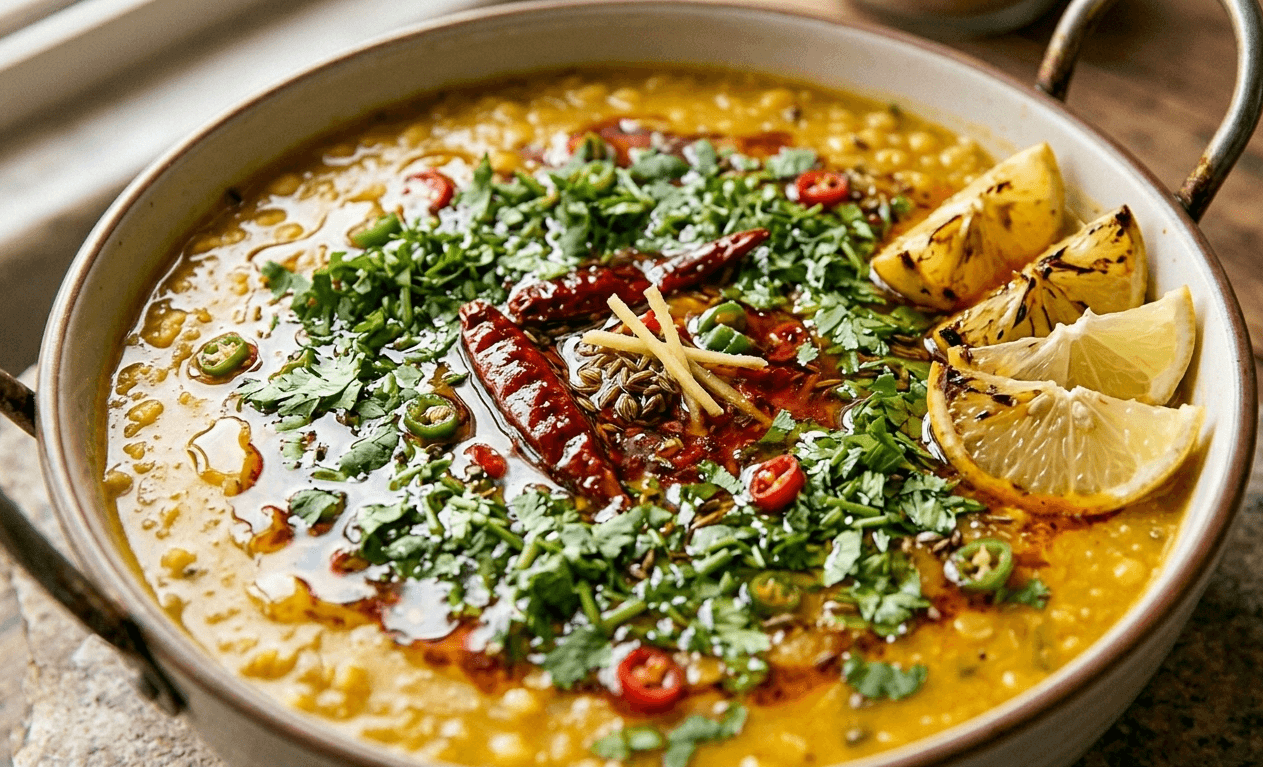
daal fry on Desi Bites

Daal Fry Recipe Authentic Pakistani Restaurant Style

 40 minutes     4–5 servings       Easy level       5.0 / 5

Daal Fry is one of the most iconic dishes on the menu of every Pakistani restaurant that golden, aromatic lentil curry with a rich, fried masala and a sizzling butter tarka that arrives at your table in a small karahi, filling the air around you with an irresistible fragrance. If you have ever eaten at a Pakistani dhaba or restaurant and ordered the daal fry, you know exactly the dish I am describing that particular combination of creamy lentils, deeply spiced fried onion and tomato masala, and the final, spectacular pour of clarified butter with cumin, garlic, and dried chilies that transforms an already excellent dish into something truly extraordinary.
The name Daal Fry itself tells you exactly what makes this dish special. Unlike a plain boiled daal or a simple tarka daal where the spices are merely poured on top, daal fry involves a genuine frying step the masala of onions, tomatoes, ginger, garlic, and spices is cooked thoroughly in a generous amount of oil or ghee until it is deeply caramelized, richly spiced, and bursting with flavor. This fried masala is then incorporated into the cooked lentils, creating a dish that is far more complex and satisfying than either the masala or the daal could be alone. The result is a curry that is simultaneously creamy and rich, earthy and bold, with a depth of flavor that makes it utterly irresistible.
In this comprehensive 3,500-word guide, I will take you through everything you need to know to make authentic restaurant-quality Daal Fry at home from the best lentil combination to use, to the precise technique for the fried masala, to the perfect smoky butter tarka that finishes the dish, to the full range of variations and serving suggestions that will help you master this beloved Pakistani classic. Follow this recipe once and you will never need to order daal fry from a restaurant again.

40

Cook time (min)

2

Types of daal

5

Servings

Easy

Difficulty


Daal Fry vs Daal Tarka What Is the Difference?

Many people use the terms daal fry and daal tarka interchangeably, but there are meaningful differences between the two preparations that result in distinctly different dishes:

Daal Fry:

The masala of onions, tomatoes, and spices is cooked separately in generous oil until deeply fried, caramelized, and richly flavored then mixed into the cooked daal. This produces a much bolder, deeper, more restaurant-style flavor with a distinct fried richness.

Daal Tarka (Plain):

The daal is simply boiled with basic spices and a quick tarka of cumin and garlic is poured on top at the end. The masala is not cooked separately or as thoroughly. The result is lighter, simpler, and more home-style compared to daal fry.
In other words, Daal Fry has a more robust, restaurant-quality flavor because the masala is cooked much more thoroughly before being added to the lentils. The extra time and oil spent frying the masala produces a depth of caramelization and flavor development that simply cannot be achieved by the simpler tarka method. This is why daal fry is the premium version you find at restaurants, while plain daal is the everyday home-cooking version.

Best Daal Combination for Daal Fry:

The lentil combination you choose significantly impacts the final texture and flavor of your daal fry. Here are the most popular options:

Masoor + Moong (Most Popular):

Equal parts of masoor daal (red lentils) and moong daal (yellow split mung) is the most popular combination for daal fry. Masoor creates a creamy, smooth base while moong adds lightness and a subtle sweetness. This is the combination used in most Pakistani restaurants and the one used in this recipe.

Pure Masoor Daal:

Using only masoor daal produces a richer, deeper golden-orange daal fry with a bolder, earthier flavor. Slightly more intense than the mixed version. A great choice for those who prefer a more robust lentil taste.

Pure Moong Daal:

Using only moong daal creates a lighter, more delicate daal fry that is easier on the stomach. The flavor is milder and sweeter perfect for those with sensitive digestion who still want the richness of a proper restaurant-style daal fry.

Masoor + Chana Daal:

Adding some chana daal creates a textured daal fry where the chana pieces hold their shape within the creamy masoor base. More substantial and filling, with a delightful contrast of textures in every bite.

Aloo Gobi Matar Recipe Classic Pakistani Potato Cauliflower Peas Curry


Nutritional Benefits (Per Serving):

15g

Protein

9g

Fiber

260

Calories

Iron

Rich Source

Daal Fry, despite being a restaurant-style dish with a rich fried masala, remains an excellent source of plant-based protein and dietary fiber. The combination of masoor and moong daal provides a wide spectrum of essential amino acids, making it a near-complete protein source when paired with rice or roti. The iron content from both lentils is significant particularly masoor daal, which is among the richest plant-based iron sources available. The spices in the masala also contribute health benefits: cumin supports digestion, turmeric has powerful anti-inflammatory properties, and coriander is rich in antioxidants. Even with the generous use of ghee in both the masala and the tarka, daal fry remains a nutritionally balanced dish that delivers excellent value in terms of nutrients per calorie.

Ingredients:

For the Daal Base

Masoor Daal (Red Lentils)

¾ cup, washed

Moong Daal Dhuli (Yellow)

¾ cup, washed

Water

5 cups

Turmeric Powder

½ tsp

Salt

1 tsp (for boiling)

Green Chilies (whole)

2, slit (for boiling)

 For the Fried Masala

Oil or Ghee

5 tbsp

Onion

2 medium, finely chopped

Tomatoes

3 medium, finely chopped

Ginger Garlic Paste

1.5 tbsp

Green Chilies

3, finely chopped

Red Chili Powder

1 tsp

Coriander Powder

1 tsp

Cumin Powder

½ tsp

Salt

To taste

Fresh Coriander

Handful, chopped

For the Final Tarka

Ghee or Butter

3 tbsp

Garlic

6–7 cloves, thinly sliced

Cumin Seeds

1 tsp

Dried Red Chilies

4–5 whole

Garam Masala

¼ tsp

Kasuri Methi

1 tsp, crushed


Step-by-Step Instructions:
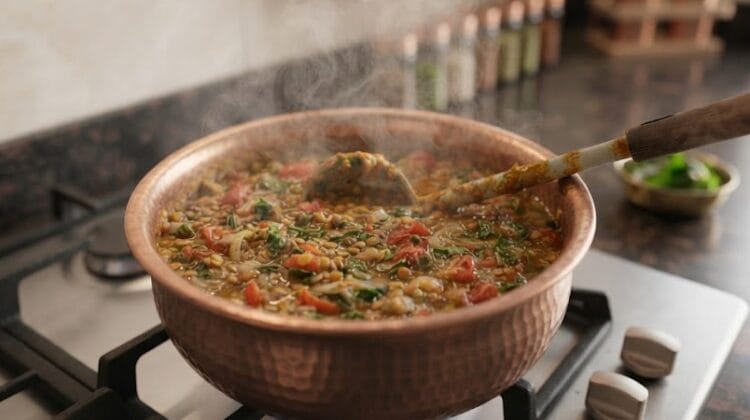
Wash and boil the daals: Rinse masoor and moong daal thoroughly under cold water 4–5 times. Add both daals to a large pot with 5 cups water, turmeric, salt, and 2 slit green chilies. Bring to a boil over high heat. Skim off any foam from the surface.
Daal Fry on Desi Bites
Simmer the daal: Reduce heat to medium-low, cover, and simmer for 20–25 minutes until both daals are completely soft and have merged into a smooth, slightly thick consistency. Stir occasionally. The daal should be creamy but not stiff add water if needed.
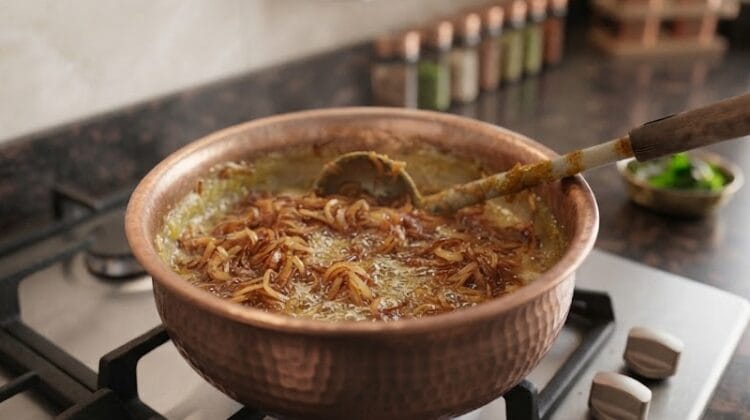
Fry the onions the key step: While the daal simmers, heat 5 tablespoons of oil or ghee in a separate heavy pan over medium heat. Add finely chopped onions and fry, stirring frequently, until they turn deep golden brown about 12–15 minutes. This deep caramelization is the foundation of restaurant-quality daal fry flavor.
Daal Fry on Desi Bites
Add ginger garlic and chilies: Add ginger garlic paste and finely chopped green chilies to the golden onions. Fry for 2–3 minutes, stirring constantly, until the raw smell completely disappears and the mixture turns very fragrant and slightly sticky.
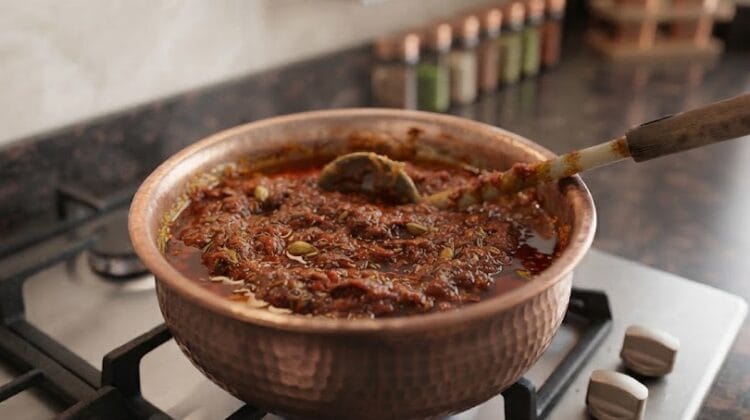
Build the fried masala: Add finely chopped tomatoes, red chili powder, coriander powder, cumin powder, and salt. Mix well and cook on medium heat for 12–15 minutes, stirring and mashing the tomatoes frequently, until the tomatoes completely disappear into the masala, the color deepens to a rich rust-orange, and the oil clearly separates and rises to the surface.
Daal Fry on Desi Bites
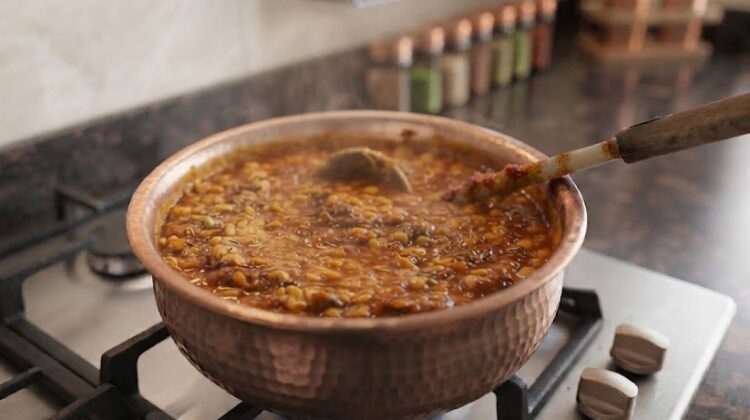
Combine daal and masala: Pour the deeply fried masala into the pot of cooked daal. Stir well to incorporate completely. The masala should blend seamlessly with the daal, creating a rich, deeply colored, fragrant curry.
Simmer together: Cook the combined daal and masala together on medium-low heat for 10 minutes, stirring occasionally, until the flavors fully merge and the daal reaches the perfect consistency  thick enough to coat a spoon but still pourable. Add warm water if too thick.
Daal Fry on Desi Bites
Add fresh coriander: Stir in chopped fresh coriander. Taste the daal and adjust salt and spice levels. The daal should taste bold, rich, and deeply spiced at this point. Transfer to a serving karahi or bowl.
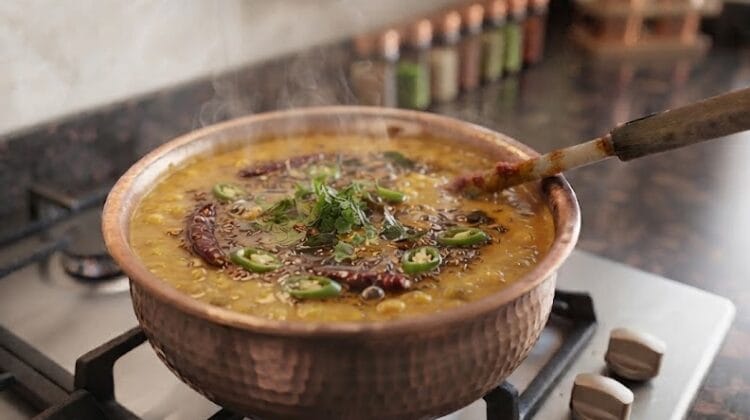
Make the restaurant-style tarka: Heat ghee or butter in a small pan over high heat until very hot and shimmering. Add cumin seeds and let them crackle loudly for 30 seconds. Add thinly sliced garlic and dried red chilies. Fry until garlic turns crispy and deep golden about 60–90 seconds. Add kasuri methi and garam masala, stir for 10 seconds.
Pour the tarka dramatically: Immediately pour the sizzling hot tarka over the daal in the serving bowl. The dramatic sizzle and the cloud of fragrant steam that rises is the hallmark of authentic restaurant-style daal fry. Cover for 1 minute, then serve immediately!
Daal Fry on Desi Bites

The Restaurant Secret: Why Their Daal Fry Tastes So Good

Have you ever wondered why restaurant daal fry tastes so different from homemade daal, even when you use the same ingredients? The answer lies in three specific techniques that restaurants use consistently but home cooks rarely replicate. First, restaurants use a significantly higher amount of oil or ghee in the masala than most home cooks are comfortable with that generous oil is what enables the deep caramelization of onions and tomatoes that creates the dish’s characteristic richness. Second, they cook the masala much longer than most home recipes suggest a proper restaurant masala is cooked for 15–20 minutes until it is deeply fried, almost paste-like, and the oil has completely separated. Third, the tarka is made in a screaming-hot pan and poured immediately while still violently sizzling the high temperature creates a brief smoking effect that adds a subtle smokiness to the finished dish. Replicate these three techniques and your home daal fry will taste indistinguishable from a good restaurant.

Daal Fry Variations:

Butter Daal Fry:
Use butter instead of ghee for the final tarka and add an extra tablespoon of butter stirred into the finished daal for an incredibly rich, creamy, mildly sweet flavor that is very popular in upscale Pakistani restaurants.
Daal Fry with Methi:
Add 1 cup of fresh fenugreek leaves (methi) to the fried masala and cook until wilted before mixing with the daal. The slightly bitter fenugreek creates a wonderful flavor contrast with the rich masala.
Spicy Daal Fry:
Double the green chilies in the masala and add 1.5 teaspoons of red chili powder for a fiery, intensely spiced version the kind of daal fry that makes you reach for water between bites but keeps you going back for more.
Creamy Daal Fry:
Stir in 2 tablespoons of heavy cream and a small piece of butter after combining the masala and daal for a luxuriously smooth, velvety consistency that rivals the finest restaurant versions.
Smoky Daal Fry (Dhungar Method):
Place a small piece of burning charcoal on a piece of foil in the center of the finished daal, pour a few drops of ghee over it, and immediately cover for 2 minutes. This dhungar technique adds an incredible smoky depth that truly replicates outdoor tandoor restaurant cooking.

Tips & Tricks:

  1. Use more oil or ghee than feels comfortable the generous fat is what enables the deep caramelization of the masala that makes restaurant daal fry so special. A diet version will not achieve the same result.
  2. Cook the masala until the oil completely separates and rises to the surface this is the most critical visual indicator that the masala is properly cooked and ready for the daal to be added.
  3. Boil the daals with whole slit green chilies they add a subtle heat throughout the base without being as sharp as finely chopped chilies added to the masala.
  4. Use a combination of oil for the masala and ghee for the tarka oil has a higher smoke point for cooking the masala, while ghee provides superior aroma and flavor for the final tarka pour.
  5. The tarka must be poured immediately when still violently sizzling never let it cool even slightly before pouring. The dramatic sizzle on contact with the daal creates the signature restaurant finish.
  6. Daal fry tastes significantly better when rested for 10–15 minutes before serving this allows the flavors to continue developing and the masala to fully integrate with the daal.
  7. Always serve daal fry in a small karahi or cast-iron bowl if possible the visual presentation of the daal in a karahi with a sizzling tarka poured over it is an essential part of the restaurant experience.

Frequently Asked Questions:

Q1. What is the difference between Daal Fry and plain Daal Tarka?

Daal Fry involves a separate, deeply fried masala of onions, tomatoes, and spices cooked in generous oil until caramelized and rich, then incorporated into the cooked lentils. Plain daal tarka uses a much simpler, quicker spice pour. Daal fry has a bolder, richer, restaurant-quality flavor as a result.

Q2. Which lentils are best for Daal Fry?

The most popular combination is equal parts masoor daal (red lentils) and moong daal (yellow split mung). This creates the ideal balance of creaminess from the masoor and lightness from the moong. Pure masoor daal also works and produces a richer, earthier result.

Q3. Why does restaurant Daal Fry taste so much better than homemade?

Restaurant daal fry tastes better because restaurants use more oil in the masala and cook it longer typically 15–20 minutes until deeply caramelized. They also use butter in the tarka and pour it at extremely high temperature. Replicate these three things and your homemade version will match restaurant quality.

Q4. Can I make Daal Fry ahead of time?

Yes! The daal base and masala can both be made a day ahead and stored separately in the refrigerator. Combine and reheat gently before serving. Always make the tarka fresh immediately before serving pre-made tarka loses its aroma and signature sizzle.

Q5. What is kasuri methi and can I skip it?

Kasuri methi is dried fenugreek leaves widely available in Pakistani and Indian grocery stores. It adds a distinctive herby aroma that is the signature flavor note of restaurant daal fry. While the dish can be made without it, kasuri methi makes a genuinely significant difference and is strongly recommended.

Q6. How do I get the dhaba-style smoky flavor in Daal Fry?

The dhungar (coal smoking) method is most effective. Place a small piece of burning charcoal on foil in the center of the finished daal, pour a few drops of ghee over it, and immediately cover tightly for 2 minutes. Remove the charcoal before serving. This adds an incredibly authentic smoky depth.

Q7. Can Daal Fry be frozen?

Yes, daal fry freezes reasonably well for up to 1 month. Thaw overnight in the refrigerator, reheat gently with added water to restore consistency, and make a fresh tarka just before serving. For best quality, consume within 3 days of refrigeration without freezing.

Q8. What should I serve with Daal Fry?

Daal Fry is excellent with hot naan, tandoori roti, or plain steamed basmati rice. For a complete Pakistani restaurant experience, serve alongside chicken karahi or seekh kabab, with kachumber salad, raita, and sliced raw onion on the side.

You May Also Like:

Moong Daal Recipe Easy Pakistani Mung Bean Curry with Tarka

Vegetarian Recipes, Daal Recipes

Reader Interactions

Leave a Reply Cancel reply

Your email address will not be published. Required fields are marked *

Recipe Rating


Primary Sidebar

Search

More to See

Garlic Naan Recipe on Desi Bites

Garlic Naan Recipe Soft, Fluffy Pakistani Style at Home

July 22, 2026 By Desi Bites

Samosa Chaat on Desi Bites

Samosa Chaat Authentic Pakistani Street Food Recipe

July 20, 2026 By Desi Bites

Daal Mash on Desi Bites

Daal Mash Authentic Pakistani Recipe with Tarka Step by Step

July 18, 2026 By Desi Bites

Sweet Lassi on Desi Bites

Sweet Lassi Recipe Authentic Pakistani Style with Tips & Variations

July 17, 2026 By Desi Bites

  • Facebook
  • GitHub
  • Instagram
  • Pinterest
  • Twitter
  • YouTube

Footer

About Desi Bites

Welcome to Desi Bites,Discover authentic Pakistani recipes with simple steps and rich flavors.From biryani and karahi to desserts and daily meals, find delicious ideas for every occasion.

Cook. Taste. Enjoy.

Popular Recipes

  • Garlic Naan Recipe Soft, Fluffy Pakistani Style at Home
  • Chapli Kebab Authentic Peshawari Recipe Step by Step
  • Samosa Chaat Authentic Pakistani Street Food Recipe
  • Daal Mash Authentic Pakistani Recipe with Tarka Step by Step
  • Sweet Lassi Recipe Authentic Pakistani Style with Tips & Variations

Search

© 2026 Desi Bites | All Rights Reserved