

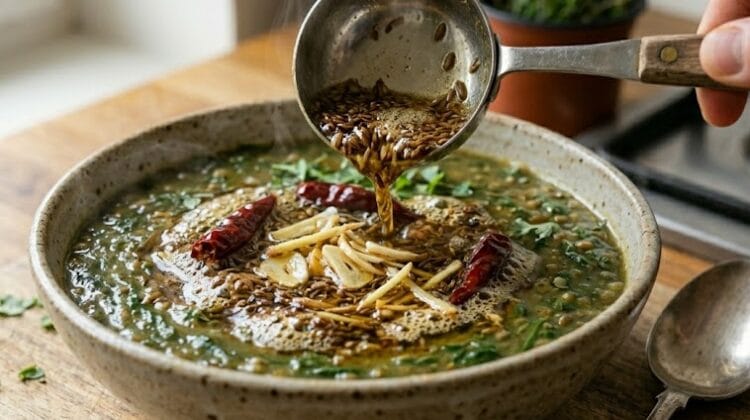
Daal Palak Recipe Healthy Pakistani Lentil Spinach Curry
35
Cook time (min)
500g
Spinach
5
Servings
Easy
Difficulty
Which Daal Should You Use for Daal Palak?
Masoor Daal (Red Lentils):The quickest option, no soaking required. Breaks down into a smooth, creamy base that blends perfectly with the spinach. Best for a silky, unified texture.
Moong Daal (Split Mung Beans): Light, easy to digest, and mild in flavor. Perfect for anyone who prefers a gentler daal palak that is light on the stomach.
Chana Daal (Split Chickpeas): Holds its shape and adds a nutty, satisfying bite. Best for those who prefer texture in their daal palak rather than a smooth consistency.
Mixed Daal: Use a combination of masoor and moong for the ultimate daal palak creamy from the masoor with a little texture from the moong. This is the most popular choice in Pakistani kitchens.
Nutritional Benefits of Daal Palak:
16g
Protein
10g
Fiber
240
Calories
8mg
Iron
The combination of lentils and spinach creates one of the most impressive nutritional profiles of any Pakistani dish. Lentils are an excellent source of plant-based protein and complex carbohydrates that provide sustained energy, while spinach is one of nature’s richest sources of iron, Vitamin K, Vitamin A, and folate. Together, they create a dish that supports muscle health, boosts energy levels, aids digestion, and provides powerful antioxidants all in a single bowl. The Vitamin C naturally present in the tomatoes used in the masala also helps your body absorb the non-heme iron from both the lentils and the spinach more effectively, making daal palak a particularly smart choice for anyone managing iron deficiency.
Ingredients:
For the Daal
Masoor Daal (Red Lentils)
½ cup, washed
Moong Daal (Split Mung)
½ cup, washed
Fresh Spinach (Palak)
500g, washed & chopped
Water
4 cups
Turmeric Powder
½ tsp
Salt
To taste
For the Masala
Onion
2 medium, chopped
Tomatoes
3 medium, chopped
Ginger Garlic Paste
1.5 tbsp
Green Chilies
3–4, chopped
Red Chili Powder
1 tsp
Coriander Powder
1 tsp
Oil
4 tbsp
Fresh Coriander
Handful, chopped
For the Tarka (Tempering)
Ghee
3 tbsp
Garlic
6–7 cloves, sliced
Cumin Seeds
1.5 tsp
Dried Red Chilies
3–4 whole
Garam Masala
½ tsp
Lemon Juice
1 tbs
Step-by-Step Instructions:
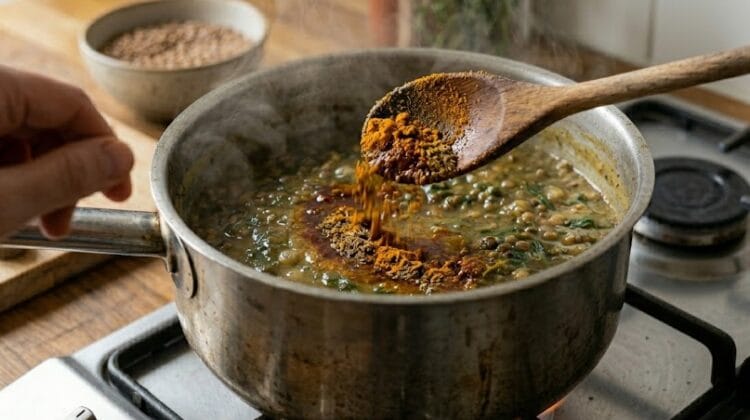
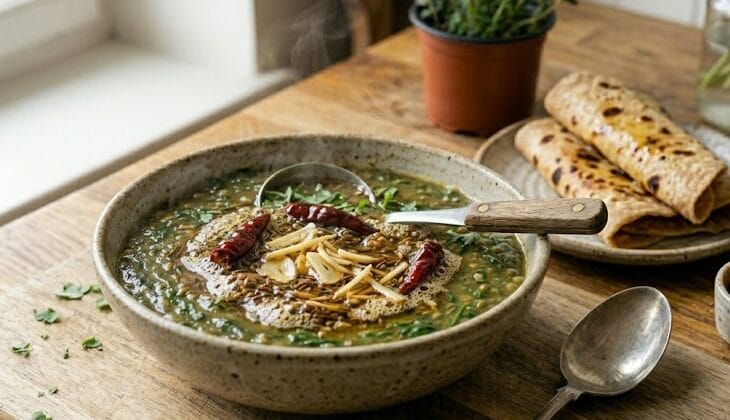
How to Keep Your Daal Palak Bright Green?
How to Serve Daal Palak?
Daal Palak Variations:
Tips & Tricks:
- Add the spinach directly to the boiling daal rather than cooking it separately this creates a more unified, integrated flavor where the daal and palak truly become one dish.
- Always make the masala in a separate pan while the daal and palak are simmering this saves time and allows the onions to caramelize properly without rushing.
- Use ghee for the tarka, not oil the richness of ghee is essential for authentic daal palak and makes an enormous difference in the final aroma and taste.
- Always add a squeeze of lemon juice at the end it brightens the flavor, enhances the green color, and helps your body absorb iron from both the lentils and the spinach.
- Daal palak thickens significantly as it sits add a splash of warm water when reheating and stir well to restore the original consistency.
- This dish stores beautifully in the refrigerator for up to 3 days and actually improves in flavor overnight make a large batch for easy weekday lunches.
Frequently Asked Questions:
Q1. Can I use frozen spinach instead of fresh?
Yes! Thaw frozen spinach completely and squeeze out as much excess water as possible before adding it to the daal. The color will be slightly less vibrant than fresh, but the flavor will still be excellent. Add it in the last 10 minutes of cooking rather than at the beginning.
Q2. Why does my Daal Palak lose its green color?
The green color fades when spinach is cooked for too long or left to sit for extended periods before serving. Add the spinach no more than 20–25 minutes before serving, always add lemon juice at the end, and serve promptly for the most vibrant color.
Q3. Which daal works best for Daal Palak?
Masoor daal (red lentils) is the most popular choice because it cooks quickly and creates a smooth, creamy base. For the best results, use an equal combination of masoor and moong daal as described in this recipe.
Q4. Can I make Daal Palak in a pressure cooker?
Yes! Add the washed daal, spinach, water, and turmeric to the pressure cooker and cook for 2–3 whistles. Then prepare and add the masala as normal, simmer together for 5 minutes, and finish with the tarka.
Q5. Is Daal Palak good for weight loss?
Daal palak is an excellent choice for weight management. It is high in protein and fiber, which promote satiety and keep you full for longer, while being relatively low in calories. The combination of lentils and spinach also provides sustained energy without blood sugar spikes.
Q6. What is the difference between Daal Palak and Palak Aloo?
Daal Palak combines spinach with lentils, creating a creamy, protein-rich curry where the lentils form the base. Palak Aloo combines spinach with potatoes, resulting in a thicker, chunkier curry where the potato pieces are distinct rather than blending into the sauce.
Q7. Can I make Daal Palak ahead of time for a party?
Daal palak is an excellent choice for advance preparation. Make it a day ahead, store it in the refrigerator, and reheat gently on the stove with a splash of water. Make the tarka fresh just before serving for the most vibrant and aromatic finish.
Leave a Reply