Rose Cake Complete Guide, Elegant Pakistani Recipe, and 5 Stunning Variations

Rose Cake Complete Guide, Elegant Pakistani Recipe, and 5 Stunning Variations

Complete guide    Pakistani gulab fusion    Celebration cake                                                     Intermediate         5.0 / 5

Rose Cake is one of the most breathtakingly beautiful, most romantically evocative, and most deeply Pakistani-compatible celebration cakes in all of contemporary baking a soft, moist, delicately perfumed cake infused with the luminous floral fragrance of rose water (gulab jal), filled and frosted with rose-scented buttercream or cream cheese frosting, and decorated with fresh or dried rose petals and piped rosette swirls that make it simultaneously a baked delight and a genuine work of edible art. Rose cake gulab ka cake in Pakistani Urdu speaks to something deeply embedded in Pakistani sensory culture: the love of rose fragrance that expresses itself in rose water in mithai, rose sherbet at weddings, rose petal garnishes on kheer and halwa, dried rose petals in chai, and the magnificent rose gardens of Lahore that make the rose Pakistan’s most beloved and most symbolically powerful flower.
Pakistan’s relationship with the rose gulab is unlike almost any other country’s relationship with a flower. It is culinary, medicinal, poetic, romantic, religious, and intensely cultural all at once. Rose water (gulab jal) is one of the most fundamental flavoring agents in Pakistani mithai and dessert making its presence in kheer, zarda, sheer khurma, barfi, and halwa is so essential and so expected that its absence would make these preparations unrecognizable. Dried rose petals (gulab ki patti) are stirred into Pakistani chai for their fragrance and beauty. Rose sherbet the vivid pink, intensely fragrant drink of Pakistani weddings and celebrations is among the most recognizable flavors of Pakistani festivity. The rose cake brings this entire rose tradition into a contemporary celebration cake format that is perfectly suited to Pakistani weddings, Eid gatherings, birthdays, and every occasion where beauty and deliciousness must coincide.
In this complete guide you will find everything needed to understand, make, and genuinely master the rose cake its history in Persian, Mughal, and Pakistani rose culinary traditions, the fascinating science of rose water’s volatile aromatic compounds and how heat affects them in baking, the step-by-step signature Pakistani rose cake recipe, the art of rose-themed decoration, five outstanding variations from classic Pakistani to Persian-inspired to chocolate rose fusion, and all the professional tips that guarantee a consistently moist, beautifully fragrant, elegantly presented rose cake every single time.

Gulab

Ka Cake

60 min

Prep + bake

Eid

Celebration ready

Inter

mediate


The history of Rose in Pakistani and Mughal culinary tradition:

The use of rose as a culinary ingredient in South Asian cooking traces directly to the Mughal court one of history’s most sophisticated and most culturally influential royal kitchens, which operated across the Indian subcontinent from the 16th through 18th centuries and whose culinary legacy remains the foundation of modern Pakistani and North Indian cooking. The Mughal emperors particularly Jahangir, Shah Jahan, and Aurangzeb maintained elaborate rose gardens (gulzar) at their palaces in Lahore, Agra, Delhi, and Kashmir, and the rose was central to Mughal court culture as a symbol of beauty, refinement, and divine perfection. Mughal royal kitchens used rose water (distilled from fresh rose petals) extensively in rice preparations, in meat marinades, in desserts, and in beverages establishing rose as an ingredient of royal prestige that gradually diffused through South Asian cooking culture at every level.
The distillation of rose water from fresh rose petals a process that concentrates the rose’s volatile aromatic compounds into a fragrant aqueous solution has been practiced in the Persian and wider Islamic world since the 9th century CE, when Persian chemist and physician Ibn Sina (Avicenna) perfected the distillation apparatus that made large-scale rose water production possible. Persia (modern Iran) became the world center of rose water production, with the city of Kashan in particular known for its extraordinary rose water distillery tradition that continues today. Pakistani rose water production centered in the Punjab’s rose-growing regions and in the botanical gardens of Lahore  draws directly on this Persian distillation tradition that arrived in South Asia through the Mughal cultural exchange.
The rose cake as a contemporary Pakistani celebration cake emerges from this ancient tradition meeting modern global baking culture Pakistani home bakers and cafe chefs discovering that rose water’s extraordinary fragrance, so beloved in traditional Pakistani mithai and beverages, translates magnificently into Western cake formats. The combination of rose water in the cake batter, rose buttercream in the frosting, and fresh or dried rose petals in the decoration produces a cake that is simultaneously globally appealing and unmistakably, profoundly Pakistani in its aromatic identity. At Pakistani weddings, Eid celebrations, bridal showers, and birthday parties, the rose cake has become one of the most requested and most admired celebration cakes in contemporary Pakistani baking culture.

The science of Rose Cake  rose water in baking:

How rose water works as a flavoring agent:

Rose water’s fragrance comes from an extraordinarily complex mixture of volatile aromatic compounds primarily geraniol, nerol, citronellol, linalool, and phenylethyl alcohol that are extracted from fresh rose petals through steam distillation. These compounds are present in rose water at extremely low concentrations (the total volatile compound content of quality rose water is typically less than 0.1% by weight) but are perceived by the human olfactory system at similarly tiny concentrations making rose water one of the most potent natural flavor agents available to bakers. The critical challenge in rose cake baking is that these volatile compounds, being volatile by definition, evaporate rapidly when heated making their careful, strategic application in a cake recipe essential for achieving a meaningfully present rose fragrance in the finished cake without using so much that the cake becomes soapy or perfumy.

When to add rose water before and after baking:

The most effective rose cake technique uses rose water at two distinct stages in the batter before baking and as a soak applied after baking. In the batter: a moderate amount of rose water (2–3 tablespoons for a standard two-layer cake) provides background rose flavor that partially survives the oven’s heat, integrating into the cake’s base flavor profile. After baking: brushing warm cake layers with a rose water simple syrup (equal parts water and sugar dissolved with rose water added after cooling to preserve fragrance) introduces fresh, undegraded rose aromatic compounds directly into the cake crumb dramatically boosting the rose presence in the finished cake without any aromatic loss to heat. The combination of both stages produces a rose cake with the most complete, most layered, most authentically rose-fragrant character possible.

Rose food coloring natural vs artificial:

The pale blush-pink color of a classic rose cake can be achieved through natural or artificial colorants and the choice matters both aesthetically and for Pakistani audiences who increasingly prefer natural ingredient preparations. Natural rose pink: beet powder (produces a warm, slightly earthy pink), freeze-dried strawberry powder (produces a bright, clean pink), or concentrated hibiscus tea (produces a deep magenta that fades slightly during baking). Artificial food coloring: gel food color in pink or red provides the most consistent, most vibrant, most oven-stable pink color with minimal impact on flavor. For Pakistani audiences: beet powder is culturally familiar and perceived as natural; a tiny amount of gel color is practically invisible in the finished cake. Either approach produces beautiful results natural colorants simply require slightly larger quantities to achieve the same vibrancy.

Why Rose Cake is Special?

Rose

Antioxidants

Floral

Aromatherapy

Celeb

ration worthy

Pakistani

Soul food

While rose cake is unambiguously a celebration indulgence rather than a health food, the rose water and rose petal components contribute genuinely interesting functional compounds that are worth acknowledging. Rose water contains phenylethyl alcohol a compound with documented mild mood-elevating and anxiolytic (anxiety-reducing) properties that contributes to rose’s ancient cross-cultural reputation as a fragrance that calms the mind and uplifts the spirit. Rose petals used in decoration contain flavonoids including quercetin and kaempferol antioxidants with documented anti-inflammatory properties. The ritual and aesthetic pleasure of a beautifully made rose cake its visual beauty, its fragrance, its cultural resonance for Pakistani families produces genuine psychological and social wellbeing benefits that are as real and as meaningful as any nutritional metric. A rose cake at an Eid celebration table or a wedding dessert spread is a contribution to human joy that cannot be measured in calories or macronutrients alone.
Rose water aromatherapy:  Phenylethyl alcohol in rose water has documented mild mood-elevating properties the fragrance of a rose cake is not merely pleasant but genuinely, measurably beneficial for mood and wellbeing.
Rose petal antioxidants:  Fresh and dried rose petals used in decoration provide quercetin and kaempferol flavonoid antioxidants with anti-inflammatory properties.
Cultural and social wellbeing:  A rose cake at Pakistani celebrations contributes to family joy, cultural identity, and social connectio dimensions of wellbeing as genuinely important as physical nutrition.
Mughal heritage celebration:  Baking a rose cake connects Pakistani families to the magnificent culinary heritage of the Mughal empire  a living link to centuries of cultural sophistication and culinary excellence.

Ingredients:

For Pakistani Rose Cake Sponge (Two 8-inch layers)

All-Purpose Flour

2½ cups sifted

Caster Sugar

1¾ cups

Unsalted Butter

1 cup room temperature

Eggs

4 large room temperature

Rose Water (Gulab Jal)

3 tbsp premium quality

Whole Milk

¾ cup warm

Baking Powder + Salt

2½ tsp + ½ tsp

Pink Food Color or Beet Powder

Few drops or 1 tsp

 For Rose Water Buttercream Frosting

Unsalted Butter

1½ cups room temperature

Icing Sugar

4 cups sifted

Rose Water

2 tbsp added last

Heavy Cream + Pink Color

3–4 tbsp + tiny drop

 For Pakistani Rose Cake Decoration

Dried Rose Petals (Gulab Patti)

Pakistani food-grade dried roses

Crushed Pistachios

Pakistani signature garnish

Silver Warq

Edible Mughal tradition

1M Piping Tip + Bag

For rosette decoration


Step-by-step Classic Pakistani Rose Cake (signature recipe):
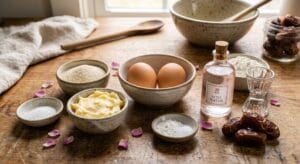
Prepare all ingredients at room temperature the foundation of a perfect cake: Remove butter and eggs from the refrigerator minimum 1 hour before baking  room temperature butter creams to a far lighter, airier consistency than cold butter, incorporating significantly more air into the batter and producing a cake with a finer, more tender crumb. Room temperature eggs emulsify into the batter more easily and completely than cold eggs, preventing the batter from curdling when added to the creamed butter. Preheat oven to 175°C (fan-forced) or 180°C (conventional). Grease two 8-inch round cake tins generously with butter and line the bases with parchment paper. Sift flour, baking powder, and salt together into a bowl sifting aerates the flour and eliminates lumps that would create dense pockets in the finished cake.
Rose Cake on Desi Bites
Cream butter and sugar the aeration stage: Place room-temperature butter in a large mixing bowl or stand mixer. Beat at medium-high speed for 3–4 minutes until visibly paler, significantly increased in volume, and genuinely fluffy not merely combined but genuinely aerated. Add caster sugar in two additions, beating for 2 minutes after each addition. The finished creamed butter-sugar mixture should be very pale (almost white), extremely light, and fluffy this incorporated air is what produces the cake’s fine, tender crumb. Do not rush this stage the quality of the crumb is determined here, before a single additional ingredient is added. If the butter appears grainy or heavy after creaming, it was too cold allow it to warm slightly and beat again.
Add eggs one at a time patience prevents curdling: Add eggs to the creamed butter one at a time, beating for 30 seconds after each egg and scraping down the sides of the bowl before adding the next. The one-at-a-time addition allows each egg to fully emulsify into the batter before the next is added preventing the fat-water separation (curdling) that occurs when cold eggs are added too quickly to creamed butter. If the batter appears slightly curdled (grainy, separated look) after egg addition: add a tablespoon of the sifted flour and beat briefly the flour proteins help re-emulsify the batter. Add vanilla extract with the final egg. The batter at this stage should be smooth, glossy, and significantly increased in volume from the original creamed butter.
Rose Cake on Desi Bites
Add flour and milk alternately the structure stage: Mix rose water into the warm milk the warmth helps the rose water’s aromatic compounds dissolve more completely into the milk, producing a more evenly distributed rose flavor throughout the batter. Add sifted flour mixture and rose-milk in three alternating additions (flour milk flour milk flour), folding gently with a spatula after each addition until just incorporated. The alternating addition technique prevents both overdevelopment of gluten (from adding all the flour at once) and excessive liquid thinning (from adding all the milk at once) producing a batter of optimal structure and consistency. Add pink food color or beet powder with the final flour addition, folding until the color is evenly distributed. The finished batter should be smooth, thick, and pale blush-pink.
Bake and test for doneness patience produces perfection: Divide batter evenly between the two prepared tins weigh them for identical layers if precision matters for the finished cake’s appearance. Smooth the surfaces with a spatula. Bake at 175°C for 28–33 minutes. Do not open the oven before 25 minutes the temperature drop from opening the oven causes partially set cake batters to collapse. Test doneness with a skewer inserted into the center it should come out completely clean with no wet batter. The cake surface should be lightly golden, fully risen, and beginning to pull away from the tin edges. Touch the center lightly it should spring back completely rather than leaving an indentation. If the surface browns too rapidly before the center is done, cover loosely with foil and continue baking.
Rose Cake on Desi Bites
Soak with rose water syrup the fragrance amplification step: While the cakes bake, prepare the rose water soak: combine ¼ cup water and ¼ cup sugar in a small saucepan, heat until sugar dissolves completely, remove from heat, allow to cool to room temperature, then add 2 tablespoons of rose water (added after cooling to preserve the volatile aromatics). As soon as the baked cakes come out of the oven, brush each warm layer generously with this rose water syrup using a pastry brush  the warm cake absorbs the syrup immediately and completely. Allow cakes to cool in the tins for 15 minutes, then turn onto wire racks to cool completely before frosting. This soak step is the single greatest improvement available to rose cake flavor it introduces fresh, undegraded rose water directly into the cake crumb, producing a fragrance intensity that in-batter rose water alone cannot achieve.
Make rose buttercream, assemble, and decorate: Beat room-temperature butter at high speed for 4–5 minutes until very paleand extremely fluffy the extensive beating is what produces the light, airy buttercream that defines an outstanding rose cake. Add sifted icing sugar one cup at a time, beating at low speed after each addition to prevent sugar cloud. Add cream or milk one tablespoon at a time until spreadable consistency is reached. Add rose water last beating briefly just to incorporate, as extended beating after rose water addition drives off its delicate volatile aromatics. Tint to desired blush pink. Fill the cooled cake layers with buttercream, apply a thin crumb coat, refrigerate 20 minutes, then apply the final frosting layer. Decorate with piped rosette swirls using a 1M or 2D piping tip, fresh and dried rose petals, crushed pistachios, and a touch of silver warq for the most magnificent Pakistani rose cake presentation possible.
Rose Cake on Desi Bites

5 secrets for perfect Rose Cake:

Secret 1 Use premium rose water quality is everything:

The single most important ingredient decision in rose cake making is the quality of the rose water used and the difference between premium and ordinary rose water is enormous. Cheap synthetic rose flavoring (often labeled “rose essence” or “rose flavor”) is made from artificial aromatic compounds that smell similar to rose but taste synthetic, soapy, and harsh in baked goods. Premium pure rose water distilled from genuine rose petals, typically from Persian or Pakistani rose varieties has a complex, multi-layered, genuinely floral fragrance of extraordinary beauty that translates perfectly into baked goods. In Pakistan, premium rose water is available from reputable mithai suppliers, from specialty grocery stores, and from traditional attar (perfumery) shops. Taste it before using it should smell and taste unmistakably of real roses, not synthetic perfume.

Secret 2 Add rose water at multiple stages layered fragrance:

Rose water added only to the cake batter loses much of its fragrance during baking the oven heat evaporates its volatile aromatics. Rose water added only as a soak is present but one-dimensional. The finest rose cake uses rose water at three stages: in the batter (for background rose integration into the cake’s base flavor), in the rose water soak applied immediately after baking (for fresh, undegraded rose fragrance absorbed into the crumb), and in the buttercream frosting (added last, beaten briefly, for maximum aromatic preservation in the frosting). This three-stage approach produces a rose cake with a beautifully layered, complex, genuinely deep rose presence present in every bite from cake crumb through frosting without being overwhelming or soapy at any stage.

Secret 3 Don’t overdo rose water restraint is sophistication:

Rose water’s fragrance is extraordinarily potent a small amount adds ethereal floral beauty to a cake; too much produces a soapy, perfumy, almost medicinal quality that overwhelms every other flavor in the cake. The correct quantity is precisely enough rose that the fragrance is clearly, beautifully present without dominating the cake should taste of rose in the same way that the finest perfume contains rose as a central note without smelling only of rose. In the batter: 2–3 tablespoons maximum for a standard two-layer 8-inch cake. In the soak: 2 tablespoons in ¼ cup syrup. In the buttercream: 1–2 tablespoons maximum. Start at the lower end of each range and taste at every stage adding more is easy; correcting excess rose water requires starting over.

Secret 4 Use pesticide-free rose petals for decoration only:

Fresh rose petals used for rose cake decoration must be from roses that are guaranteed pesticide-free  commercial florist roses are almost universally treated with pesticides, fungicides, and chemical preservatives that are not food-safe and should never be placed on food that will be consumed. For Pakistani rose cake decoration: grow roses specifically for food use in a pesticide-free home garden, purchase from organic flower suppliers, or use dried rose petals (gulab ki patti) from reputable spice and mithai suppliers who source food-grade dried roses. Pakistani bazaar dried rose petals used in chai and mithai are almost always food-safe and are the most practical, most reliably safe, and most authentically Pakistani decoration option for rose cakes. Fresh roses from a florist should be used only as external decoration removed before eating, not placed directly on the cake surface.

Secret 5 Pipe rosettes confidently with a 1M tip practice makes perfect:

The piped rosette decoration that gives a rose cake its most immediately recognizable visual identity is achieved with a 1M or 2D star piping tip the most widely available decorating tip in Pakistani baking supply stores. The rosette technique: hold the piping bag perpendicular to the cake surface, position the tip just above the surface, apply steady even pressure while rotating the bag in a tight circular motion (starting from the center and spiraling outward in a single revolution), stop pressure and lift cleanly. Practice the motion on parchment paper before applying to the cake 10–15 practice rosettes develop the muscle memory for consistent, beautiful results. The key to professional-looking rosettes: consistent pressure throughout the circle and a clean, confident lift at the end rather than a hesitant, trailing finish.

Rose Cake variations:

Classic Pakistani Gulab Rose Cake (signature most beloved):

Pale blush-pink rose water sponge, rose water buttercream frosting piped in full rosette coverage, decorated with a generous scattering of Pakistani dried gulab petals, crushed green pistachios, and a touch of silver warq in the Mughal tradition. This is the definitive Pakistani rose cake simultaneously deeply rooted in Pakistan’s gulab tradition and completely contemporary in its celebration cake format. The pistachio and warq decoration is the detail that makes it unmistakably Pakistani rather than generically floralconnecting directly to the Mughal court dessert aesthetic of rose, pistachio, and silver in combination. Outstanding for Eid celebrations, Pakistani weddings, bridal showers, and any occasion where a cake must be both beautiful and profoundly Pakistani.

Rose and Raspberry Cake (floral-fruit fusion):

Add fresh or freeze-dried raspberry powder to both the cake batter and the buttercream the raspberry’s bright tartness cuts through the rose’s sweetness and provides a fruity depth that makes the rose flavor more complex and more interesting. The raspberry also deepens the pink color naturally, eliminating the need for artificial food coloring. Fill the cake layers with a fresh raspberry jam mixed with a small amount of rose water before applying the buttercream the jam layer provides moisture, tartness, and a visual surprise when the cake is sliced. Decorate with fresh raspberries and dried rose petals for a decoration that is both visually stunning and ingredient-honest the decorations tell the exact story of the cake’s flavors.

Rose and Chocolate Cake (Pakistani romantic indulgence):

Dark chocolate sponge layered with rose water buttercream the combination of deep, slightly bitter dark chocolate and ethereal, floral rose is one of the most sophisticated and most romantically charged flavor pairings in all of patisserie. The chocolate completely changes the visual drama of the cake dark layers with pale pink frosting create a stunning contrast. Add a rose water ganache drip around the top edge of the cake for maximum visual impact. Decorate with dark chocolate shards and dried rose petals. This chocolate rose cake is the ideal Pakistani Valentine’s Day, anniversary, or romantic celebration cake the chocolate-rose combination having been celebrated in Persian and Arabic poetry as the union of earthly indulgence and heavenly beauty for centuries.

Rose and Cream Cheese Cake (Pakistani wedding style):

Replace the buttercream frosting with cream cheese frosting cream cheese beaten with butter, icing sugar, rose water, and a tiny pinch of cardamom producing a tangier, less sweet, more sophisticated frosting that many Pakistani palates prefer over the sweetness of pure buttercream. The cream cheese’s natural slight tartness provides a perfect foil for the rose’s sweetness, and the cardamom addition creates the unmistakable Pakistani aromatic signature that connects this contemporary cake to traditional Pakistani mithai. This rose cream cheese cake has a more restrained, more elegant sweetness that makes it particularly well-suited to Pakistani wedding dessert tables where it must hold its own alongside richer traditional mithai without overwhelming guests with excessive sweetness.

Rose Milk Cake Tres Leches Style (Pakistani-Mexican fusion):

Bake a light rose-flavored sponge, poke holes throughout with a skewer immediately after baking, and soak generously with a rose milk mixture equal parts sweetened condensed milk, evaporated milk, and whole milk with rose water and cardamom added. Allow to absorb overnight in the refrigerator. Top with whipped cream tinted pale pink with a drop of rose water and a tiny amount of pink color. Scatter dried rose petals and crushed pistachios over the whipped cream surface. This Pakistani-inspired rose milk tres leches cake is extraordinarily moist almost pudding-like in its milk-saturated texture with a rose fragrance of remarkable depth from the cold overnight milk soak. One of the most crowd-pleasing, most universally appreciated rose cake formats for large Pakistani family gatherings.

Tips and tricks:

  1. Use premium pure rose water synthetic rose essence produces soapy, harsh results. Taste before using; it should smell of real roses.
  2. Add rose water at three stages batter, soak, and buttercrea for layered, complex, genuinely deep rose presence throughout every component.
  3. Restrain the quantity 2–3 tbsp maximum in the batter. Too much rose water produces soapy, perfumy results that overwhelm every other flavor.
  4. Room temperature butter and eggs only cold butter won’t cream properly; cold eggs cause curdling that ruins the batter’s texture.
  5. Soak warm cake layers immediately after baking warm crumb absorbs rose syrup completely; cooled cake resists absorption.
  6. Use only food-safe pesticide-free rose petals florist roses are chemical-treated; use Pakistani bazaar dried gulab petals for safe, authentic decoration.
  7. Practice rosette piping on parchment first 10–15 practice rosettes build the muscle memory for confident, beautiful results on the cake.

Frequently Asked Questions:

Q1. What is Rose Cake called in Pakistan?

Rose cake is called gulab ka cake in Urdu gulab being one of the most poetically charged words in Urdu literature. Also gulab jal ka cake (rose water cake) or gulab phool wala cake (rose flower cake). In Pakistani cafe and bakery culture, increasingly called “rose cake” in English as this format has been enthusiastically adopted in contemporary Pakistani baking alongside other internationally recognized celebration cake formats. Cashew Cream

Q2. What rose water should I use for Rose Cake in Pakistan?

Best options: premium Iranian rose water from Kashan (specialty stores in major cities); premium Pakistani rose water from reputable mithai suppliers; good commercial Pakistani brands. Avoid cheap synthetic rose essence artificial compounds taste harsh and soapy in baked goods. Test: premium rose water smells and tastes unmistakably of real roses. When in doubt, buy from a reputable mithai shop ask for what they use in their kheer and barfi.

Q3. How do I get strong rose flavor without making the cake soapy?

Use premium pure rose water (never synthetic). Limit batter addition to 2–3 tbsp maximum. Apply the majority of rose flavor through a post-baking rose water soak (rose water never heated significantly, all aromatics intact). Add rose water to buttercream last with minimal beating. This approach delivers powerful floral rose flavor without any soapy quality because the primary rose water addition never experiences oven-level heat degradation.

Q4. Can I make Rose Cake without an oven?

Yes: Pressure cooker cake pour batter into greased lined tin fitting inside cooker, place on stand with 2 cups water in base, cook low heat 45–50 minutes without pressure weight. Tawa cake greased sealed tin on tawa over lowest heat, tight lid, 40–50 minutes. Both produce excellent flavor, slightly less even texture than oven. For Eid/wedding presentation where appearance is critical, oven baking produces the most professional results.

Q5. How do I store Rose Cake?

Unfrosted layers: wrap in plastic wrap, room temperature 2 days or freeze 2 months. Rose water soak improves keeping quality. Frosted assembled: refrigerate sealed container 4 days. Remove 30–45 minutes before serving buttercream served cold is waxy and unpleasant; at room temperature it is creamy and perfect. Fresh rose petal decoration: apply day of serving only. Dried gulab patti: more stable, can be applied in advance.

Q6. Can I make Rose Cake for Eid without buttercream?

Yes: Whipped cream frosting (lighter, less sweet, requires refrigeration apply close to serving). Cream cheese frosting (tangier, more sophisticated outstanding for Pakistani palates finding pure buttercream too sweet). Labneh frosting (strained yogurt + honey + rose water genuinely original Pakistani-character frosting with natural tanginess). Swiss meringue buttercream (less sweet, silkie requires more technique, outstanding for formal presentation).

Q7. What piping tip do I use for Rose Cake decoration?

Most versatile: 1M open star tip (classic rosette  most identifiable rose cake decoration). 2D closed star: tighter, more formal rosette. 6B: larger, more dramatic rosettes for showpiece presentation. 104 petal tip: individual piped roses most technically challenging, most realistically rose-like. For beginners: start with 1M tip most forgiving, most versatile, produces immediately beautiful results with minimal practice.

Q8. How do I make Rose Cake for a Pakistani wedding?

Scale recipe (8-inch two-layer serves 12–16 multiply accordingly). Bake layers 2 days in advance, wrap refrigerated improves flavor, easier assembly. Frost and decorate day before or morning of event. Wedding presentation: tiered cake with full rosette coverage in blush pink, fresh pesticide-free roses at base and between tiers, crushed pistachios at tier edges, silver warq on select rosettes. Apply fresh flowers within 2 hours of serving. Transport assembled refrigerated in sealed cake box.


You May Also Like

Date Cookies Complete Guide, Healthy Pakistani Recipe, and 5 Stunning Variations

Leave a Comment

Your email address will not be published. Required fields are marked *

Scroll to Top