

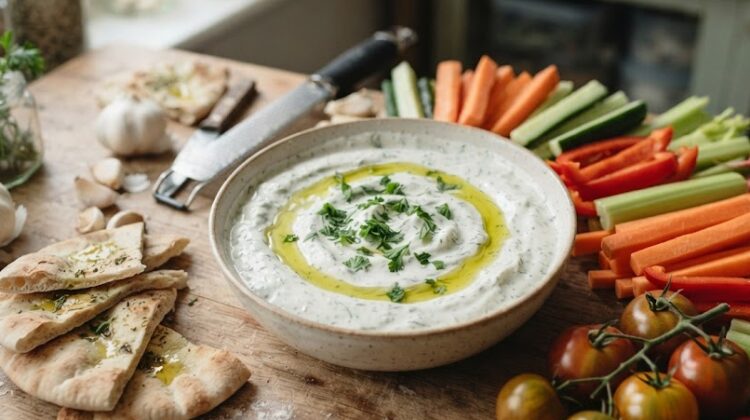
Green Chutney Authentic Pakistani Hari Chutney Recipe
10 minutes 1 cup 8–10 servings Very Easy 5.0 / 5
10
Ready in (min)
1 cup
Yield
8–10
Servings
Easy
Difficulty
Why Green Chutney is Pakistan’s most essential condiment:
Making your own Green Chutney at home rather than buying packets or jars is one of the most impactful small improvements you can make to your Pakistani cooking. Freshly blended green chutney has a vibrancy, a brightness, and an aromatic intensity that no commercial product can replicate. The color is a pure, vivid green that gradually fades in jarred versions. The heat from fresh green chilies is bright and immediate rather than the dull heat of dried or preserved chili. And the fresh herb fragrance is incomparably superior to anything that has been processed and packaged.
Understanding the key ingredients of Green Chutney:
Fresh Mint (Pudina) the cooling element:
Fresh Coriander (Dhania) the depth element:
Green Chilies the heat element:
Garlic the pungency element:
Nutritional Value (Per 2 Tbsp Serving):
1g
Protein
15
Calories (2 tbsp)
Vit C+K
From Herbs
Antioxidants
High Content
Ingredients:
For Classic Pakistani Green Chutney
Fresh Mint Leaves (Pudina)
1 cup packed, stems removed
Fresh Coriander (Dhania)
2 cups leaves and thin stems
Green Chilies (Hari Mirch)
3–5 adjust to heat preference
Garlic Cloves
2–3 cloves peeled
Lemon Juice
2 tbsp freshly squeezed
Salt
½ tsp to taste
Cumin Seeds (Zeera)
½ tsp dry roasted
Water (ice cold)
2–3 tbsp for blending
Optional Add-ins for Variations
Fresh Ginger
½ inch piece for warmth
Yogurt
2 tbsp for creamy version
Coconut (desiccated)
2 tbsp for coconut version
Tamarind Pulp
1 tsp for tangy depth
Roasted Peanuts
2 tbsp for texture
Sugar
Pinch to balance heat
Step-by-step instructions:
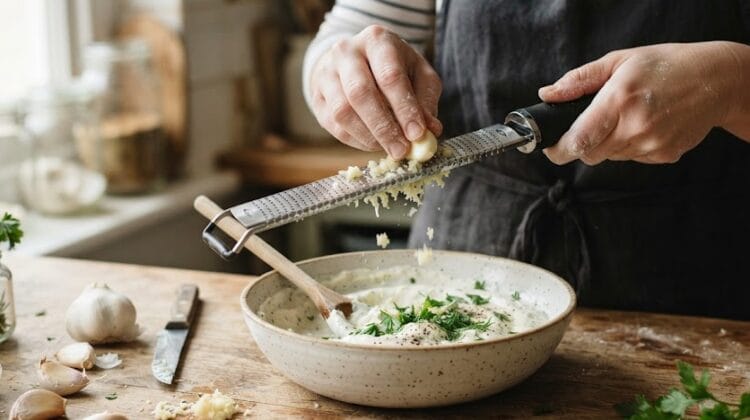
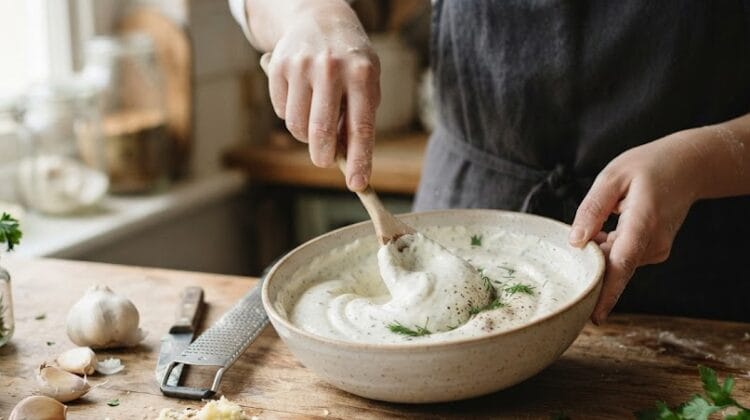
Prepare the herbs: Wash mint and coriander thoroughly in cold water 2–3 rinses to remove all dirt and grit. For mint, remove all tough stems and use only the leaves. For coriander, the thin upper stems can be included as they contain concentrated flavor, but the thick lower stems should be discarded. Shake off excess water wet herbs dilute the chutney more than the measured water addition.
5 secrets for the best Green Chutney:
Secret 1 Always use fresh herbs, never dried:
Secret 2 Use ice-cold water for blending:
Secret 3 Roasted cumin is non-negotiable:
Secret 4 Lemon juice, not vinegar:
Secret 5 More coriander than mint:
Green Chutney variations:
Dahi Green Chutney (creamy version):
Peanut Green Chutney:
Coconut Green Chutney:
Extra Spicy Green Chutney:
Pudina Green Chutney (mint-forward):
Best pairings for Green Chutney:
Dahi Baray and chaat: Green Chutney is one of the essential drizzle sauces for dahi baray and virtually all Pakistani chaat dishes applied in a zigzag pattern alongside tamarind chutney to create the characteristic sweet-sour-spicy flavor combination that defines chaat. Without green chutney, chaat loses its essential brightness.
Kababs and tikka: All Pakistani kababs shami kabab, seekh kabab, chapli kebab, and chicken tikka are served with green chutney as the default accompaniment. The fresh herb flavor and bright acidity of the chutney provide the perfect contrast to the smoky, charred, deeply spiced kabab flavors.
Sandwiches and wraps: Spread generously inside sandwiches and shawarma wraps, Green Chutney adds an enormous amount of flavor to simple fillings. A plain chicken sandwich with Green Chutney becomes something genuinely delicious the chutney does more flavor work than any commercial sauce.
Tips and tricks:
- Always use ice-cold water during blending this is the single most important technique for maintaining the vivid bright green color of fresh Green Chutney.
- Dry-roast cumin seeds before adding raw cumin tastes harsh; roasted cumin adds deep, warm, smoky complexity that is essential to authentic flavor.
- Use 2 parts coriander to 1 part mint this ratio produces the best balanced Green Chutney. Mint-heavy versions can taste overpowering.
- Taste one green chili before adding all of them heat levels vary enormously between different chili varieties and even within the same batch.
- Add lemon juice not vinegar for brightness. Vinegar fights with the herbs; lemon juice harmonizes beautifully with them.
- Make Green Chutney the same day you plan to serve it it is at its best within 24 hours. After 48 hours the color fades from bright green to olive green and the fresh herb fragrance diminishes.
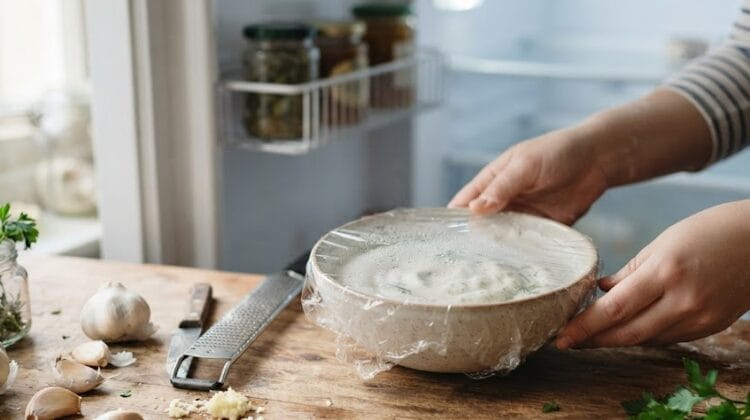
- Store with a thin layer of lemon juice on top when refrigerating, press cling wrap directly onto the chutney surface or add a thin drizzle of lemon juice on top to slow oxidation and color fading.
Frequently Asked Questions:
Q1. How long does Green Chutney last in the fridge?
Fresh homemade Green Chutney is best consumed within 24–48 hours for peak color and flavor. It can be refrigerated in an airtight container for up to 4–5 days but the color gradually changes from vivid bright green to olive-green as the chlorophyll oxidizes. To slow color fading, press cling wrap directly onto the chutney surface before sealing the container.
Q2. Why has my Green Chutney turned dark or brownish?
Color darkening is caused by oxidation. Prevention strategies: use ice-cold water during blending, add slightly more lemon juice (acid slows oxidation), press cling wrap directly onto the chutney surface when storing, and blend at higher speed for shorter time. Once darkened the color cannot be restored make a fresh batch. Preventing darkening is far easier than reversing it.
Q3. Can I freeze Green Chutney?
Yes Green Chutney freezes very well for up to 2 months. Freeze in ice cube trays for convenient individual portions, then transfer frozen cubes to a zip-lock bag. Thaw at room temperature for 15–20 minutes before serving. Frozen and thawed green chutney loses some vivid color but the flavor remains very good an excellent strategy for using up large quantities of fresh herbs.
Q4. How can I make Green Chutney less spicy?
Reduce green chilies to 1–2 and remove all seeds before blending. Adding 2–3 tablespoons of thick yogurt significantly mellows the heat while maintaining herb flavor. A pinch of sugar also helps balance heat perception. For children, use only 1 small seedless chili and add yogurt the result is a mild, herb-forward chutney that even spice-sensitive guests enjoy comfortably.
Q5. Can I make Green Chutney without coriander?
A mint-only Green Chutney is possible but produces a more one-dimensional, medicinal flavor. Pure mint chutney with garlic, chili, lemon, and cumin is a recognized variation. If coriander is unavailable, fresh parsley is the closest substitute it lacks coriander’s distinctive flavor but provides similar fresh herb depth and bright green color to the final chutney.
Q6. What is the ideal consistency for Green Chutney?
Ideal Green Chutney is pourable but not watery it should flow easily from a spoon but not run off a samosa immediately. For dipping, slightly thicker is better. For drizzling over chaat and dahi baray, thinner allows better distribution. Control thickness by adjusting water during blending start with less and add gradually rather than starting with too much.
Q7. How do I make Green Chutney for a large dawat?
Green Chutney scales perfectly multiply all ingredients proportionally for any quantity. For a dawat of 20 people, a triple or quadruple batch is appropriate. Make the chutney the morning of the dawat for freshest color and flavor. Store in airtight containers in the refrigerator and transfer to serving bowls 20–30 minutes before guests arrive. Never make more than 24 hours in advance for a formal occasion.
Q8. What is the difference between Green Chutney and mint raita?
Green Chutney is a pure herb-based sauce mint, coriander, chili, garlic, and lemon blended together. It is intensely flavored, bright green, and quite spicy. Mint raita is yogurt-based mint stirred into seasoned yogurt producing a creamy, cooling, mild sauce. Green chutney provides sharp spicy brightness while mint raita provides cooling creamy relief. Both are often served together as complementary contrasting condiments.
Leave a Reply